U bekijkt momenteel de Netherlands versie van de site.
Wilt u overschakelen naar uw lokale site?
Laatste editie


Free Sample Issue
Probeer een Gratis monster van Electronic Sound
Probeer een Gratis monster

Electronic Sound Magazine Issue 83 Vorige editie

English
55 Beoordelingen   •  English   •   Music (Other)
Only €5,99
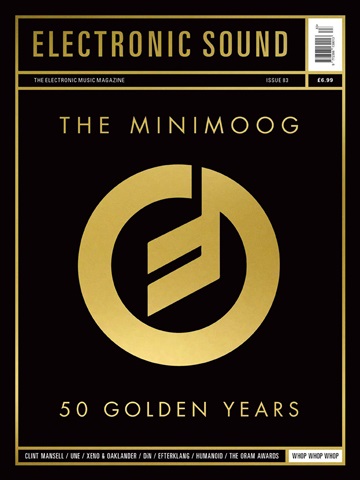
If you had to choose a single instrument to represent the entire spectrum of synthesisers, it would have to be the Minimoog. It wasn’t the first portable synth to market, that would be Peter Zinovieff’s VCS 3, but it was the most widely adopted and the most successful – both technologically and commercially.

The Minimoog is the embodiment of the musician-oriented philosophy of Robert Moog’s approach to synthesis. “What do musicians want?” Dr Bob asked. The answer was a machine with the sonic power of his modular system and an integrated keyboard – no patching required, thanks – that you could abuse night after night on tour without it falling apart. It also needed
to be vaguely affordable.

After three prototype iterations, the Model D was finally ready for release in 1971 and the Minimoog was soon a de rigueur addition to the keyboard player’s arsenal. Rick Wakeman’s early enthusiasm for the instrument led to it becoming a prog rock staple in the first half of the 1970s and it was a regular solo feature of many soul and funk records of the era too, not least because of its ability to sound slinky and sensual.

The Minimoog was also a foundation instrument for Kraftwerk, the German pioneers using its deep and rounded bass tones to create the rubbery hooks of ‘Autobahn’. Four years later, when Gary Numan found a Minimoog in the studio during the recording of the first Tubeway Army album, he thought he’d invented electronic music. With ‘Are ‘Friends’ Electric?’ in 1979, he can certainly claim to have at least reinvented it, the strength and majesty of the Moog making it the star component of that stately track.

We’re delighted that you’ve joined us to celebrate 50 years of this marvellous machine and its abiding place in the affections of electronic music fans everywhere.
read more read less
Electronic Sound Preview Pages Electronic Sound Preview Pages Electronic Sound Preview Pages Electronic Sound Preview Pages Electronic Sound Preview Pages Electronic Sound Preview Pages Electronic Sound Preview Pages Electronic Sound Preview Pages

Electronic Sound

Issue 83 If you had to choose a single instrument to represent the entire spectrum of synthesisers, it would have to be the Minimoog. It wasn’t the first portable synth to market, that would be Peter Zinovieff’s VCS 3, but it was the most widely adopted and the most successful – both technologically and commercially. The Minimoog is the embodiment of the musician-oriented philosophy of Robert Moog’s approach to synthesis. “What do musicians want?” Dr Bob asked. The answer was a machine with the sonic power of his modular system and an integrated keyboard – no patching required, thanks – that you could abuse night after night on tour without it falling apart. It also needed to be vaguely affordable. After three prototype iterations, the Model D was finally ready for release in 1971 and the Minimoog was soon a de rigueur addition to the keyboard player’s arsenal. Rick Wakeman’s early enthusiasm for the instrument led to it becoming a prog rock staple in the first half of the 1970s and it was a regular solo feature of many soul and funk records of the era too, not least because of its ability to sound slinky and sensual. The Minimoog was also a foundation instrument for Kraftwerk, the German pioneers using its deep and rounded bass tones to create the rubbery hooks of ‘Autobahn’. Four years later, when Gary Numan found a Minimoog in the studio during the recording of the first Tubeway Army album, he thought he’d invented electronic music. With ‘Are ‘Friends’ Electric?’ in 1979, he can certainly claim to have at least reinvented it, the strength and majesty of the Moog making it the star component of that stately track. We’re delighted that you’ve joined us to celebrate 50 years of this marvellous machine and its abiding place in the affections of electronic music fans everywhere.


FORMAAT SELECTEREN:
Directe toegang

Beschikbare digitale aanbiedingen:

Enkele digitale uitgave Issue 83
SPECIALE AANBIEDING: Was €5,99
 
1,19 / editie
Beschikbaar met
Pocketmags Plus
Onbeperkt lezen abonnement
 
Krijg onbeperkte toegang tot Electronic Sound en meer dan 600 andere geweldige titels. Vernieuwd bij €11,99 / maand na 30 dagen. Annuleer op elk gewenst moment. Meer informatie
Deze editie en andere oude edities zijn niet opgenomen in een Electronic Sound abonnement. Abonnementen omvatten de nieuwste reguliere editie en nieuwe uitgaven die tijdens uw abonnement zijn uitgebracht en beginnen vanaf slechts €3,50 per uitgave . Als je je wilt abonneren, kijk dan op onze Abonnementsopties
Besparingen zijn berekend op de vergelijkbare aankoop van losse nummers over een abonnementsperiode op jaarbasis en kunnen afwijken van geadverteerde bedragen. Berekeningen dienen alleen ter illustratie. Digitale abonnementen omvatten het laatste nummer en alle reguliere nummers die tijdens uw abonnement verschijnen, tenzij anders vermeld. De door u gekozen termijn wordt automatisch verlengd, tenzij u tot 24 uur voor het einde van het lopende abonnement opzegt in de Mijn Account-zone.

Electronic Sound issue Issue 83

Electronic Sound  |  Issue 83  


If you had to choose a single instrument to represent the entire spectrum of synthesisers, it would have to be the Minimoog. It wasn’t the first portable synth to market, that would be Peter Zinovieff’s VCS 3, but it was the most widely adopted and the most successful – both technologically and commercially.

The Minimoog is the embodiment of the musician-oriented philosophy of Robert Moog’s approach to synthesis. “What do musicians want?” Dr Bob asked. The answer was a machine with the sonic power of his modular system and an integrated keyboard – no patching required, thanks – that you could abuse night after night on tour without it falling apart. It also needed
to be vaguely affordable.

After three prototype iterations, the Model D was finally ready for release in 1971 and the Minimoog was soon a de rigueur addition to the keyboard player’s arsenal. Rick Wakeman’s early enthusiasm for the instrument led to it becoming a prog rock staple in the first half of the 1970s and it was a regular solo feature of many soul and funk records of the era too, not least because of its ability to sound slinky and sensual.

The Minimoog was also a foundation instrument for Kraftwerk, the German pioneers using its deep and rounded bass tones to create the rubbery hooks of ‘Autobahn’. Four years later, when Gary Numan found a Minimoog in the studio during the recording of the first Tubeway Army album, he thought he’d invented electronic music. With ‘Are ‘Friends’ Electric?’ in 1979, he can certainly claim to have at least reinvented it, the strength and majesty of the Moog making it the star component of that stately track.

We’re delighted that you’ve joined us to celebrate 50 years of this marvellous machine and its abiding place in the affections of electronic music fans everywhere.
meer lezen minder lezen

Electronic Sound magazine is famed for its deep electronic foundations and sets the scene for Electronic Sound as a culture and a technology. High-quality journalism and undisputed expertise of the scene make this magazine a must read for fans of electronic music.


The latest technology and toy reviews are available in each monthly issue along with a synth analysis used by the early pioneers. Electric Sounds magazine is a plethora of synth knowledge and you’ll love the tips and tricks from the synth wizard, Synthesiser Dave, with a wealth of advice on repairs and fixes for all of your machines.


Offering you a range of popular monthly features; including artist interviews with past pioneers and future hitmakers, a historic look back at key synth sounds and expert tips within the popular tech advice section.


Whether you’re part of the DIY revolution or a trailblazing studio engineer then Electric Sound is talking about the topics that matter to you, so what are you waiting for? Subscribe to Electronic Sound magazine and download the latest magazine to your device and enjoy today!

An Electronic Sound digital magazine subscription is a must for electric music fans of all levels:

  • The world’s number one electronic sound magazine
  • Expert articles from the scenes best pioneers
  • Insight from stars of the culture
  • Detailed coverage of all major events and exhibitions
  • Guides on how to repair your machines
  • Delivered direct to your device every month

Je ontvangt 12 edities gedurende een periode van 1 jaar Electronic Sound abonnement op een tijdschrift.

Opmerking: Digitale edities bevatten niet de omslagitems of supplementen die je zou vinden bij gedrukte exemplaren.

Uw aankoop hier op Pocketmags.com kan op elk van de volgende platforms worden gelezen.


Je kunt hier lezen op de website of de app downloaden voor jouw platform, vergeet niet in te loggen met je Pocketmags gebruikersnaam en wachtwoord.

Apple Pocketmags Online Pocketmags Google Pocketmags
De Pocketmags-app werkt op alle iPad- en iPhone-apparaten met iOS 13.0 of hoger, Android 8.0 of hoger en Fire Tablet (Gen 3) of hoger. Onze webreader werkt met elke HTML5-compatibele browser, voor pc en Mac raden we Chrome of Firefox aan.

Voor iOS raden we elk apparaat aan dat de nieuwste iOS kan gebruiken voor betere prestaties en stabiliteit. Eerdere modellen met lagere processor- en RAM-specificaties kunnen te maken krijgen met een langzamere paginaweergave en incidentele app-crashes, die buiten onze controle liggen.
4,7
/5
Gebaseerd op 55 Beoordelingen van klanten
5
40
4
13
3
1
2
1
1
0
Bekijk beoordelingen

Electronic Sound

It would be good to have sound links to hear clips of tracks. Beoordeeld op 30 januari 2021

Electronic Sound

Great magazine, thank you Beoordeeld op 30 september 2020

Electronic Sound

Best coverage for global electronic music releases. My favorite mag. Beoordeeld op 05 juli 2020

the best electronic music mag, bar none

It is to all kinds of electronic music, old and new, obscure and well-kent, what the likes of Uncut and Mojo are to trad rock - a high quality print (and online) title, well written and beautifully produced Beoordeeld op 15 november 2016

The ultimate electronic music magazine

Excellent Beoordeeld op 25 augustus 2016

Artikelen in deze editie


Hieronder vindt u een selectie van artikelen in Electronic Sound Issue 83.

Free Sample Issue
Probeer een Gratis monster van Electronic Sound
Chat
X
Pocketmags ondersteuning