U bekijkt momenteel de Netherlands versie van de site.
Wilt u overschakelen naar uw lokale site?
Laatste editie


Free Sample Issue
Probeer een Gratis monster van Practical Fishkeeping
Probeer een Gratis monster

Practical Fishkeeping Magazine January 2018 Vorige editie

English
114 Beoordelingen   •  English   •   Family & Home (Animals & Pets)
Only €6,99
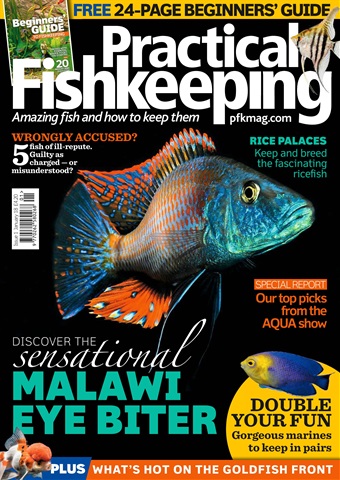
DISCOVER THE SENSATIONAL MALAWI EYE BITER
The Malawi eyebiter, Dimidiochromis compressiceps, was given its common
name in 1966, when Wickler found fish eyes in the stomach contents of wild
caught fish. In his book, ‘Malawi Cichlids in their natural habitat’, cichlid guru Ad Konings references this event, while at the same time stating that such eye eating behaviour had never been observed in the lake — and he should know. So, the eye-biting behaviour that gave this cichlid its name went down as a bit of an anomaly, and it’s certainly not the norm. I myself and other cichlid authors have also made that reference over the years and rejoiced in telling people that we, the informed, knew that they don’t actually eat eyes, so there was no need to worry when keeping them in captivity. Until I kept them again recently that is!
read more read less
Practical Fishkeeping Preview Pages Practical Fishkeeping Preview Pages Practical Fishkeeping Preview Pages Practical Fishkeeping Preview Pages Practical Fishkeeping Preview Pages Practical Fishkeeping Preview Pages Practical Fishkeeping Preview Pages Practical Fishkeeping Preview Pages

Practical Fishkeeping

January 2018 DISCOVER THE SENSATIONAL MALAWI EYE BITER The Malawi eyebiter, Dimidiochromis compressiceps, was given its common name in 1966, when Wickler found fish eyes in the stomach contents of wild caught fish. In his book, ‘Malawi Cichlids in their natural habitat’, cichlid guru Ad Konings references this event, while at the same time stating that such eye eating behaviour had never been observed in the lake — and he should know. So, the eye-biting behaviour that gave this cichlid its name went down as a bit of an anomaly, and it’s certainly not the norm. I myself and other cichlid authors have also made that reference over the years and rejoiced in telling people that we, the informed, knew that they don’t actually eat eyes, so there was no need to worry when keeping them in captivity. Until I kept them again recently that is!


FORMAAT SELECTEREN:
Directe toegang

Beschikbare digitale aanbiedingen:

Enkele digitale uitgave January 2018
 
6,99 / issue
Deze editie en andere oude edities zijn niet opgenomen in een Practical Fishkeeping abonnement. Abonnementen omvatten de nieuwste reguliere editie en nieuwe uitgaven die tijdens uw abonnement zijn uitgebracht en beginnen vanaf slechts €4,50 per uitgave in de MagFest - Arts & Crafts Magazine Subscriptions offer. . Als je je wilt abonneren, kijk dan op onze Abonnementsopties
Besparingen zijn berekend op de vergelijkbare aankoop van losse nummers over een abonnementsperiode op jaarbasis en kunnen afwijken van geadverteerde bedragen. Berekeningen dienen alleen ter illustratie. Digitale abonnementen omvatten het laatste nummer en alle reguliere nummers die tijdens uw abonnement verschijnen, tenzij anders vermeld. De door u gekozen termijn wordt automatisch verlengd, tenzij u tot 24 uur voor het einde van het lopende abonnement opzegt in de Mijn Account-zone.

Practical Fishkeeping issue January 2018

Practical Fishkeeping  |  January 2018  


DISCOVER THE SENSATIONAL MALAWI EYE BITER
The Malawi eyebiter, Dimidiochromis compressiceps, was given its common
name in 1966, when Wickler found fish eyes in the stomach contents of wild
caught fish. In his book, ‘Malawi Cichlids in their natural habitat’, cichlid guru Ad Konings references this event, while at the same time stating that such eye eating behaviour had never been observed in the lake — and he should know. So, the eye-biting behaviour that gave this cichlid its name went down as a bit of an anomaly, and it’s certainly not the norm. I myself and other cichlid authors have also made that reference over the years and rejoiced in telling people that we, the informed, knew that they don’t actually eat eyes, so there was no need to worry when keeping them in captivity. Until I kept them again recently that is!
meer lezen minder lezen
Practical Fishkeeping (PFK) magazine is the world’s leading authority on keeping, or aspiring to keep, fish. It caters for the very keenest fishkeepers but also right through to beginners, covering freshwater, tropical, marine and coldwater fishkeeping. It is a comprehensive guide to fish, products, retailers, and techniques to get the most out of fishkeeping.

All our features are written by experts in their fields, ensuring you get the best advice possible on fishkeeping and fish species, as well as creating and maintaining fantastic aquatic environments for them to live in.

Inside you’ll find:

• The latest aquarium equipment reviewed
• Tips on how to look after and keep your fish
• Expert guides to global fish species
• Advice on tropical marine tanks
• Advice on freshwater: tropical and cold water tanks
• Expert advice on aquascaping

PFK is published 12 times a year and is Britain's biggest-selling fish-keeping magazine.

Als abonnee ontvang je de volgende voordelen:


•  Een korting op de verkoopprijs van je tijdschrift
•  Je tijdschrift elke maand op je apparaat
•  Je zult nooit een editie missen
•  Je bent beschermd tegen prijsstijgingen die later in het jaar kunnen plaatsvinden

Je ontvangt 12 edities gedurende een periode van 1 jaar Practical Fishkeeping abonnement op een tijdschrift.

Opmerking: Digitale edities bevatten niet de omslagitems of supplementen die je zou vinden bij gedrukte exemplaren.

Uw aankoop hier op Pocketmags.com kan op elk van de volgende platforms worden gelezen.


Je kunt hier lezen op de website of de app downloaden voor jouw platform, vergeet niet in te loggen met je Pocketmags gebruikersnaam en wachtwoord.

Apple Pocketmags Online Pocketmags Google Pocketmags
De Pocketmags-app werkt op alle iPad- en iPhone-apparaten met iOS 15.6 of hoger, Android 8.0 o hoger, en Amazon Fire-tablets vanaf 2018, hoewel eigenaren van oudere Fire-modellen de Amazon Appstore rechtstreeks op hun apparaat kunnen controleren om de compatibiliteit te bevestigen. Voor iOS-gebruikers raden we aan een apparaat te gebruiken dat de nieuwste versie van iOS kan draaien voor optimale prestaties en stabiliteit, aangezien oudere hardware met minder processorkracht en RAM-geheugen een tragere paginaweergave of incidentele stabiliteitsproblemen kan ervaren als gevolg van geheugenbeperkingen van het apparaat. Als alternatief werkt onze web-reader met elke moderne, HTML5-compatibele browser, hoewel we Chrome of Firefox aanbevelen voor de beste ervaring op pc en Mac.
4,6
/5
Gebaseerd op 114 Beoordelingen van klanten
5
80
4
20
3
12
2
2
1
0
Bekijk beoordelingen

Practical Fishkeeping

Aweaome magazine for aquarium hobbysts. Beoordeeld op 09 april 2026

Salt & freshwater fishkeeping

Practical indeed... but also inspiring and laid-back. PFK is a staple UK fishkeeping magazine for a reason! Beoordeeld op 03 september 2025

Highly entertaining

Great articles about fishing Beoordeeld op 25 april 2022

Great read

Lots of interesting articles with regard to Aquatics at home Beoordeeld op 19 april 2022

Highly practical

Very good particularly with focus on crustaceans Beoordeeld op 09 april 2022

Artikelen in deze editie


Hieronder vindt u een selectie van artikelen in Practical Fishkeeping January 2018.

Free Sample Issue
Probeer een Gratis monster van Practical Fishkeeping
Chat
X
Pocketmags ondersteuning