THE MAKING OF
DEAD SPACE
With a remake on the horizon, the developers of a sci-fi horror classic tell their story
By Robert Zak
L ooking at the recent early footage of the Dead Space remake, the most striking thing is just how similar it looks to the 13-year-old original. Sure, it’s shinier and glossier and your Plasma Cutter now sends flesh flying off Necromorphs like porridge in the wind, but overall it puts into perspective just what a masterpiece the first game was.
As gamers start derusting their Ripper blades and lubing their Line Guns with WD-40 in preparation for the remake, I’ve looked back with the developers of the original Dead Space on how they brought together a uniquely timeless classic. When Dead Space creator and Visceral Games general manager Glen Schofield proposed a sci-fi horror game to EA, he says that “EA was a bit freaked out, because it was something they hadn’t done since System Shock.”
Schofield adjusted his idea into a potential System Shock 3, more with the desire to convince EA than to create a true successor to the immersive sim. This seeded the idea with the publisher, though the breakthrough came when Resident Evil 4 launched in 2005. Suddenly, survival horror looked commercially viable again, and in the end it was the now-famous “Resident Evil in space” pitch that sealed the deal.
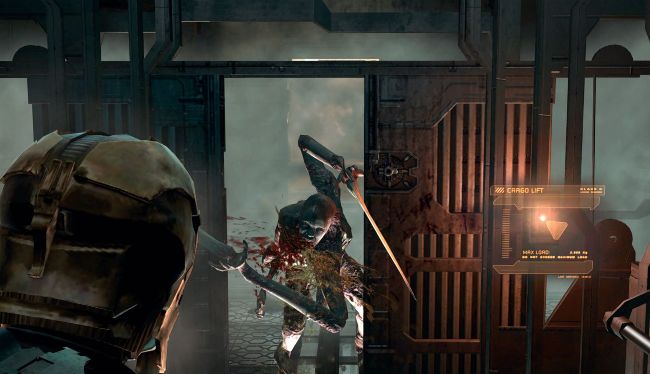
Some of the developers regret not having more kinesis-based puzzles in Dead Space.
Many of the game’s developers, including producer Chuck Beaver and production designer Ben Wanat, were brought onto Dead Space fresh from licensed titles in the Lord of the Rings and Bond franchises. “We were all coming from the straitjackets of working with licensed IPs where you have to obey all the rules really carefully,” says Chuck. “So when this opportunity came to do the new IP, everyone was ready to fly wild creatively.”
UI NOT?
One of the hallmarks of Dead Space (that’s being retained for the remake) was the completely in-world UI; video communication and the inventory were hologram projections beamed from Isaac’s suit, upgrades were purchased at machines with proper in-game screens, ammo counts were displayed on Isaac’s weapons and – lest we forget – the health bar was elegantly displayed along the spinal ridges of Isaac’s suit. The immersion was unparalleled.