Old computers, new tasks
Inspirational stories from computing’s long-distant past
Classic computers can remain relevant in today’s world thanks to modern hardware and software, as David Crookes discovers
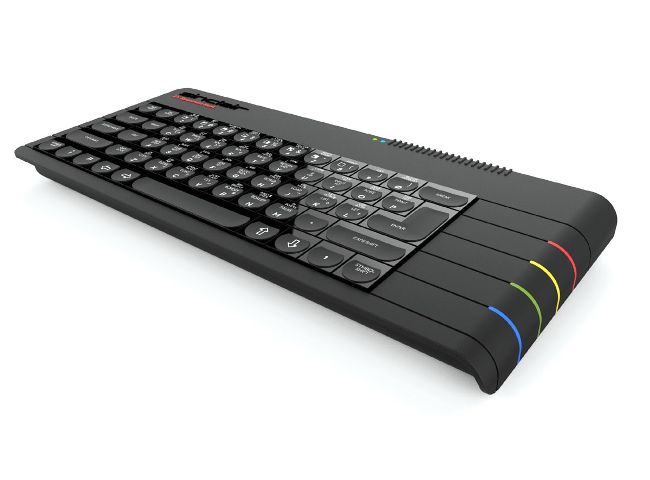
The ZX Spectrum Next is a modern update to Spectrum
An intriguing photograph recently appeared in my Facebook feed, featuring an employee at a US doughnut shop using one of two Commodore 64s to process orders. The post featured the ageing computers positioned side by side in Hilligoss Bakery in Brownsburg, Indiana, and it garnered more than 1,300 comments, many of which echoed the old adage, “if it ain’t broke, doughnut fix it!”
Upon closer examination, it became evident that the computers were running a program written in BASIC, a relatively primitive programming language by today’s standards. But, as one poster asked, “how much computing power do you really need to sell doughnuts?” The vast comments thread also highlighted the continued use of Commodore 64s in various other contemporary settings.
There are reportedly instances of Commodore 64s being used in a US automotive repair shop and by an engraver. Nor are examples of retro computers in modern settings limited to the C64. DOS machines are being used to run a dry cleaners in Austin, Texas, while a Sinclair QL operates a greenhouse irrigation system in Romania. There are likely countless other examples, but are there truly any tangible benefits in preserving and using such outdated systems?
In many cases, using ancient machines to perform tasks in the modern day isn’t a deliberate choice. It’s more a matter of we’ve started, so we’ll continue.
Hilligoss Bakery has been around since 1974, and it probably began using the C64s shortly after their release in 1982 and simply continued with them. Similarly, the US military’s DEC PDP-11s were used for decades, while NASA software from the 1960s and 1970s persisted into the 2000s.
But there are advantages of using decades-old machines beyond inertia. For instance, they can be incredibly reliable and they don’t require constant updates. Grab a computer from the 8-bit era and you can be almost certain that it won’t be susceptible to viruses, either.
Retro machines are also great for storing private information such as passwords and financial details. Since files designed for retro computers can’t always be executed on modern systems without emulation, there’s a natural barrier.