New diagnostic techniques
There are a number of additional ways in which sick reptiles can now be assessed, as explained by Dr Joanna Hedley, BVM&S, DZooMed (Reptilian), DECZM (Herpetology), MRCVS.
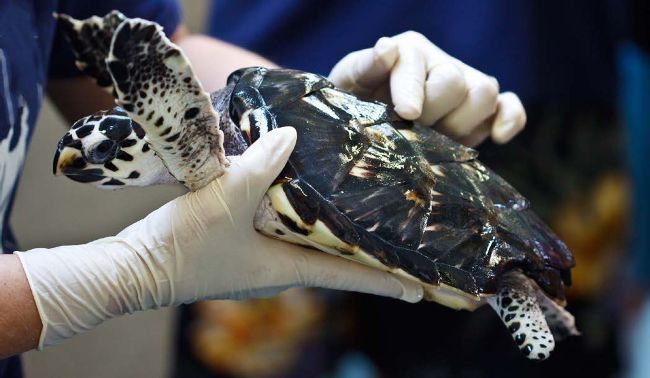
All veterinary photographs courtesy of Joanna Hedley.
As reptiles continue to grow in popularity as pets, and with more species now being bred, so there is an increasing demand for veterinary services in the field of herpetological medicine. It is not just a case of new treatments either, but being able to establish what is wrong with patients in the first instance, as quickly and efficiently as possible, that can play a major part in terms of ensuring their recovery.
Consequently, a wide variety of diagnostic techniques are now available to assist vets in this field, often having been adapted from those used in human medicine. But while a number of tests may be considered for a sick reptile patient, what benefits do all these new diagnostics really bring?
Imaging
Imaging is often one of the first steps normally taken when seeking to obtain a diagnosis for a sick reptile, and in most cases in the past, this has historically involved taking radiographs (better-known simply as X-rays). Over recent years though, digital radiography has become widespread, and these images can now be viewed almost immediately and stored on a computer, to refer back to at a later date.