In The Biblical Sense
The new Jethro Tull alb`um comes nearly 20 years after the last, and draws on the Bible, the modern world and many of the band’s classic-era qualities too. Ian Anderson talks Covid, Christianity and the creation of The Zealot Gene.
Scribe: Johnny Sharp Icons: Ian Anderson
Ian Anderson is not messing about. A few months ago Prog asked the man synonymous with Jethro Tull about the challenges of post-Covid touring, and when he said, “I expect to be wearing a mask for the rest of my professional life,” he didn’t just mean any old mask.
“I wear none of that namby-pamby flimsy blue stuff,” he tells Prog. “People think it’s sufficient for the job and it’s as useless as a face covering. I wear an FFP2 mask or sometimes an FFP3 mask, because I care about my health and indeed the health of others. I wear a five-layer mask and have done all the time [since the pandemic began], but then they are more difficult to breathe through, especially with any physical exertion going on.”
However robust the protection adopted, though, you would have been forgiven for wondering if Anderson – a man who last year revealed that he was diagnosed in 2018 with COPD (Chronic Obstructive Pulmonary Disease), causing breathing difficulties even before the pandemic hit – might step back from Tull activities, above all live ones, at this point.
Not likely. Because this is a man still determined to continue working as long as he is physically and mentally able, to the point where he might conceivably “die with his boots on”, as he will tell us later. And maybe it’s that indefatigable creative drive that has helped make the new Jethro Tull album their best for many a year.
The release of The Zealot Gene is one reason why the workload for Jethro Tull is about to ramp up once again in earnest after the enforced performance hiatus. And with the ink barely dry on a Tull lyric book and a deluxe reissue of Benefit having found its way into plenty of fans’ stockings last month, Ian Anderson is as busy as ever.
“I’ve become a hands-on ‘supporter’ of Christianity, I suppose. But I do not call myself a Christian because I do not possess the vital attributes – in short, having faith.”
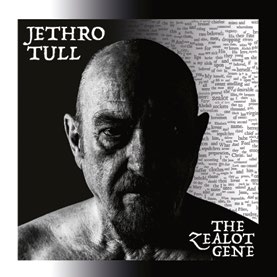
Oh ye of little faith: Ian Anderson ponders matters scriptural on new album The ZealotGene (above).
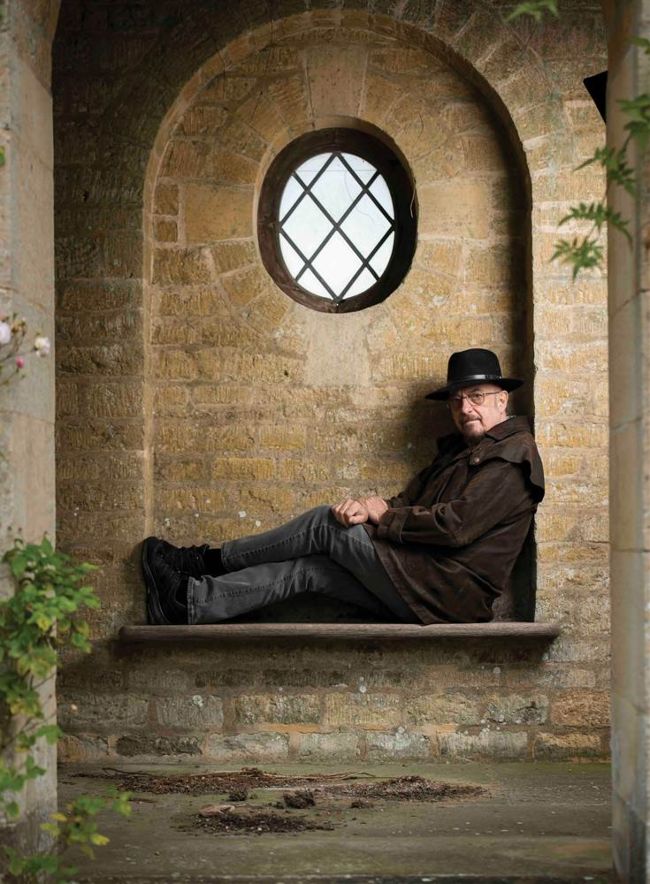
A rare shot of Ian Anderson putting his feet up…
PRE SS: JETHRO TULL/WILLIRELAND
And if you’re worried about what sounds like a distinctly scary medical condition, he somewhat downplays the seriousness of the situation to Prog. He insists he is simply managing something similar to the asthma he has suffered from since he was young. As he put it more eloquently in a press release last year, the condition has “no impact at all on my daily life as long as I don’t catch a cold or flu virus [he of course adds Covid to that danger list] and suffer the subsequent heavy bronchitis which, for me, historically follows since I was a young man. But on the upside, I don’t suffer from haemorrhoids or erectile dysfunction. So, things are looking up, not down. (Puns fully intended.)”
Well, that’s a relief for all concerned. Still, it can’t be easy for a man of 74 to go on stage night after night, singing and playing the flute and, while not being quite as hyperactive as he once was, still putting in a fair old shift of physical activity. “I test myself every day using a peak flow meter to see what my lung capacity is doing,” he says. “But playing the flute and singing is a bit of a double whammy if you have my condition. The reality is that I do much prefer to keep performing, and if I’m not performing I regularly play the flute and sing and practise, just because I think that’s the best way to stay in shape.”
And whatever his physical situation, he seems in pretty fine fettle creatively and intellectually. The Zealot Gene comes packed with the stuff that characterised some of Tull’s finest long players: memorable riffs and instrumental hooks, embedded within beguiling song structures, to underpin waspish social comment and intriguing tall tales. The two things that make a record so instantly Tull in character – that voice and that flute – are as characterful as ever.
The band’s third album, 1970’s Benefit, was reissued in November (see page 44 for more on that), and your correspondent ended up listening to that album around the same time as The Zealot Gene. Anderson has often remarked on how riff-based Benefit was, and the same could be said of the new record.
Throughout, it retains your attention and reels you in with neat little musical figures and motifs, whether it’s the hopscotching flute hook on recent single Shoshanna Sleeping, a harmonica tune on Jacob’s Lament, penny whistle melody on Sad City Sisters, the haunting piano and plaintive backing vocal of Mine Is The Mountain, or the pounding power chords of the title track.