GADGET GURU
T3’s human computer clicks and whirrs some more, on your behalf
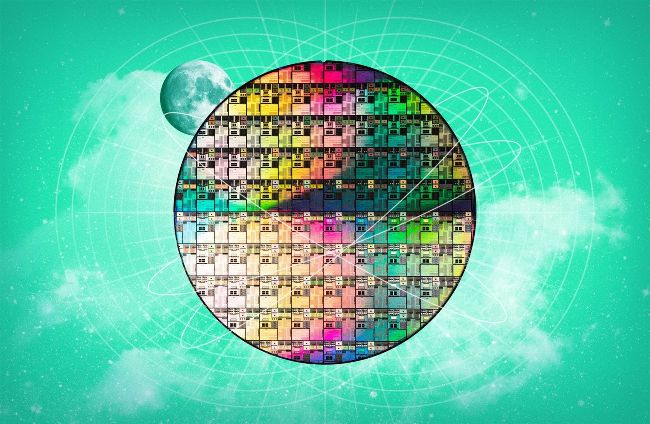
Stare at this picture for four hours and you will see infinity
ILLUSTRATIONS: STEPHEN KELLY
Q Would you include an article on silicon wafers?
CRAIG, VIA EMAIL
A
We don’t usually drill down to the semiconductor level, except when GaGu is offering ill-considered advice about laptop trepanning. But heck, since you asked, let’s give it a go. Silicon wafers are the beginnings of integrated circuits. Through a whole bunch of exciting chemical processes like ion implantation, photolithography and, interestingly for cycling fans, doping, these are etched with the teensy paths and transistors of circuits. These are then split off of the main wafer and put into microchips.
Guru would wager that every device you own has somehow been touched by Taiwan’s TSMC. The company makes over 16 million 12-inch wafers a year, each of which contains hundreds or thousands of chips. Apple, Nvidia, et al design them, but TSMC manufactures them because – no surprise – it is bloody difficult to do, and very few companies have nailed the precision machinery required.
Guru would wager that your every device has been touched by Taiwan’s TSMC, which makes 16 million 12-inch wafers a year
Excitingly, you can have a silicon wafer of your very own if you like. You are highly unlikely to be able to do anything practical with one, but their iridescence makes them amazing to look at. Expect to pay around £55 for a pre-etched one, perhaps with an attendant stand, or as little as £15 for a disappointingly dull-looking unetched wafer. And be careful. As one particular Art Editor at T3’s parent company will never forget, they’re really brittle, like super-delicate glassware. You definitely shouldn’t drop them, particularly if Intel has loaned you the wafer of its latest CPU on pain of death.