How We Made
Don Eskridge’s devious social deduction debut was a rich mix of manipulation, deception and accusation. Nearly a decade on, the designer discusses the influence of improvised comedy, the controversy of teaching people how to lie and his playful approach to what comes next
THE RESISTANCE
Words by Owen Duffy
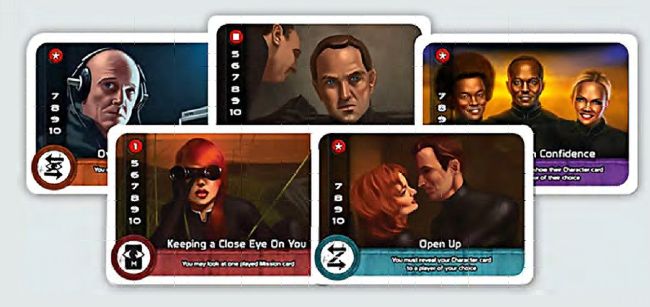
The Resistance saw one or more spies infiltrating a group of rebels to sabotage missions while avoiding getting caught
Outside of the realm of politics, it’s hard to think of anyone who’s done as well out of rampant dishonesty as Don Eskridge. The creator of hit deception and bluffing games The Resistance and The Resistance: Avalon, he’s built his career on the back of sneaky and sociable releases.
While his early games are considered classics of the hobby, he’s more recently founded his own publishing company, Orange Machine Games, to produce Abandon Planet and Black Hole Council – both of which also lean heavily on subterfuge and manipulation.
We spoke to him to hear the story behind The Resistance’s enduring success, and to find out why shamelessly lying to your closest friends can be so much fun.
VIVE LA RÉSISTANCE
Where most game designers trace their path into the tabletop industry to teenage games of Dungeons & Dragons or Magic: The Gathering, Eskridge’s formative years took a decidedly different route.
“When I was in high school I got into an improv comedy group,” he says. “I was kind of socially awkward, but we were doing this thing that I thought was fun and cool, and it helped me open up a lot. We had such a dumb name, the Comedy Commandos, but it was fun. And then I did some more in college, and when I lived in Korea.
“Finding out how much I enjoyed interacting with other humans in funny, weird ways certainly played into the love that I have now of social games, social deduction. And I would say that the connecting tissue between all my games is that they’re all about ways that people communicate with each other: how that gets weird, how that gets funky, how they react.”
This interest in social interaction was at the core of Eskridge’s first and best-known game: The Resistance. Set in a futuristic dystopian society, it divides players into two teams: one a group of revolutionaries fighting to bring down a despotic empire, the other undercover agents of the regime, aiming to infiltrate the rebel ranks and ensure the continued reign of their totalitarian paymasters.