RENEWABLE ROADTRIP
FUEL FOR THOUGHT
Where does the electricity that powers our EVs really come from? Paul Horrell and his trusty Megane Electric sidekick investigate
WORDS PAUL HORRELL
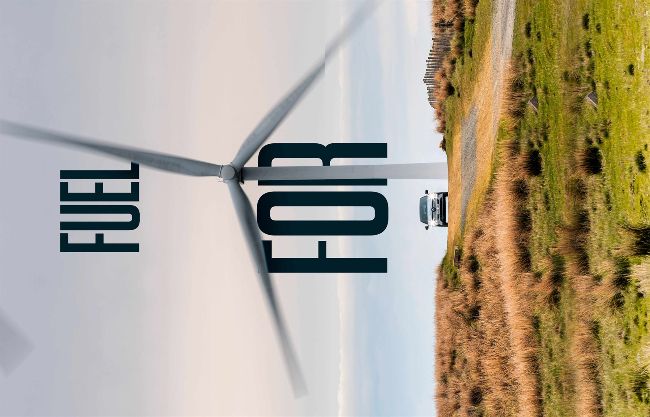
PHOTOGRAPHY JONNY FLEETWOOD
ELECTRIC CARS RUN ON POWER THAT’S PRODUCED IN FOSSIL FUEL PLANTS, SO THEIR OVERALL CO2 PER MILE IS HARDLY LOWER THAN PETROL CARS. IF WE DID HAVE A WIDESPREAD CONVERSION TO EVs, THE GRID WOULDN’T COPE ANYWAY. BESIDES, THE BATTERIES WON’T LAST, SO A CAR WILL NEED TWO OR THREE IN ITS LIFETIME AND THAT IN ITSELF MEANS HUGE MANUFACTURING CO2 AND WASTE DISPOSAL HEADACHES. WHO’D HAVE ONE ANYWAY, GIVEN THEIR RANGE IS INCONVENIENT AND CHARGING SPOTTY? ALL PERFECTLY LEGITIMATE CONCERNS... IN 2013.
A decade on, those objections have all pretty much gone away. What makes electric cars so fascinating is the speed of change. Whatever you knew about them is wrong. Whatever you know now will soon be wrong too.
Let’s go for a drive to look at some of the reasons. It’s a route of 750 miles in two days, going to some remote places, and in sketching it out beforehand my attitude to charging the car is basically, “What could possibly go wrong?” This, I tell myself, isn’t foolhardiness. It’s experience. I’ve done several similar trips in this same Renault Megane lately and had no trouble.
So, from London up the A1 to Gridserve’s solar installation near Easingwold in Yorkshire. I’m a farm boy and think in acres, but you probably think in football pitches and a pitch (two acres) of solar farm can power about two million EV miles a year. There are 70 pitches’ worth in this giant reflective shimmering blue plot, the panels automatically pivoting to best catch the sun arcing across the sky. They do nothing at night, of course, so alongside is a row of shipping containers full of batteries. But they don’t need as much battery capacity as you might think, because Gridserve’s business is on the go rapid charging, and most of that happens by day because most long journeys are by day. By contrast, the overall majority of electric vehicle charging is the slow sort, which happens at night when the grid is less stressed and relies more on wind. That’s why night electricity is lower priced as well as greener.