SHARKS
FIN-TASTIC BEASTS
From Bruce in JAWS to King Shark in THE SUICIDE SQUAD, we’ve always been captivated – and terrified – by the ocean’s apex predators. Just when you thought it was safe to go back in the water, TOTAL FILM goes swimming with sharks…
WORDS NEIL SMITH
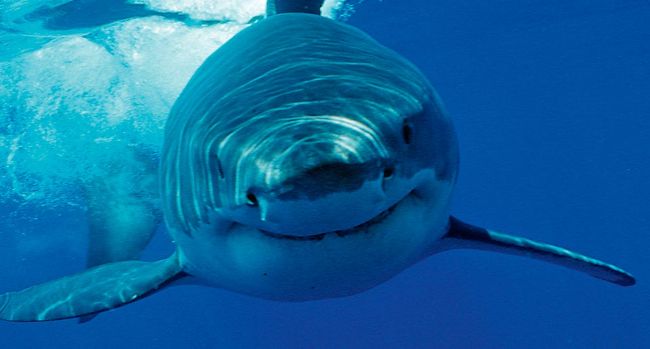
THE REAL DEAL Non-movie sharks are actually quite discerning eaters, preferring to leave us alone.
ALAMY, GETTY
A relationship, I think, is like a shark – it has to constantly move forward or it dies,” muses Annie Hall’s Alvy Singer (Woody Allen). “And I think what we got on our hands, is a dead shark.” Whether detonated, incinerated, electrocuted or devoured, we have hardly been short of dead sharks in the years both before and after the ocean’s scariest apex predator chomped its way into the public’s consciousness in Steven Spielberg’s Jaws. As you might expect of a species that has lived on Earth for more than 420 million years, though, they’re never gone for long. And when they return, and return they will, you can be certain of one thing: you’re gonna need a bigger boat.
Before we go any further, we should make it clear we are talking about movie sharks – the sinister, toothy, marauding variety who haunt our culture and our nightmares with their lust for blood and taste for human flesh. Real sharks are a very different kettle of fish. For one thing, they are discerning eaters, with slow digestive tracts that mean they eat a tiny fraction of their body weight daily. For another they attack humans very rarely, and only then if they mistake us for something else, such as a seal or sea lion. There are more than 500 species of shark in our oceans, but only a few – the tiger, the bull and the great white among them – are known to attack people. And when attacks do happen – the average is 80 incidents annually, many provoked by reckless human interaction – they do not tend to be fatal, sharks being far more likely to take an exploratory bite than go straight for the kill.