Building with bricks
From choosing colours and laying patterns to selecting mortar joints and working out costs, Sophie Vening’s helpful guide reveals all you need to know about specifying bricks for your project
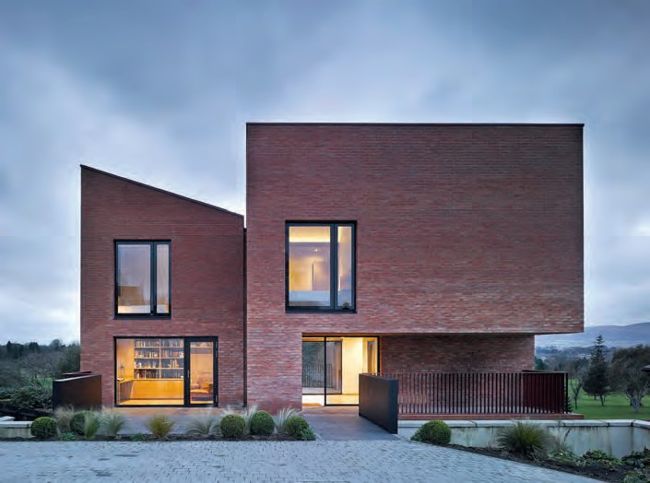
Mellowed Red Sovereign Stock from Wienerberger was used to create this striking modern design on a sloping site
It may be the most popular finish in the UK, but if you’re going to clad your self-build, renovation or extension project in brick, you still need to do your research. This will come down to more than just the units themselves – you also need to consider bonding patterns, mortar colours and more. Unlike a bathroom suite or light fitting, which you can rip out and replace relatively easily if you grow tired of it, this is a fixed part of your scheme. So it’s always worth investing time and money into getting it right.
Types of brick
There are two main choices when it comes to buying facing bricks: machine-made (fabricated either in banks of moulds, or extruded and wirecut); and handmade (thrown by hand, as the moniker would suggest, in individual moulds). Both options come in a wide selection of colours, textures and effects and are subject to the same testing and certification requirements (BS EN 771-1 is the British Standard for the specification of clay masonry units). So from a technical standpoint, there’s little to choose from between the two.