GETTING THE PICTURE
For Doctor Who’s tenth season, producer Barry Letts stretched the technical resources of the BBC’s electronic multi-camera studios to the limit.
By JONATHAN HELM
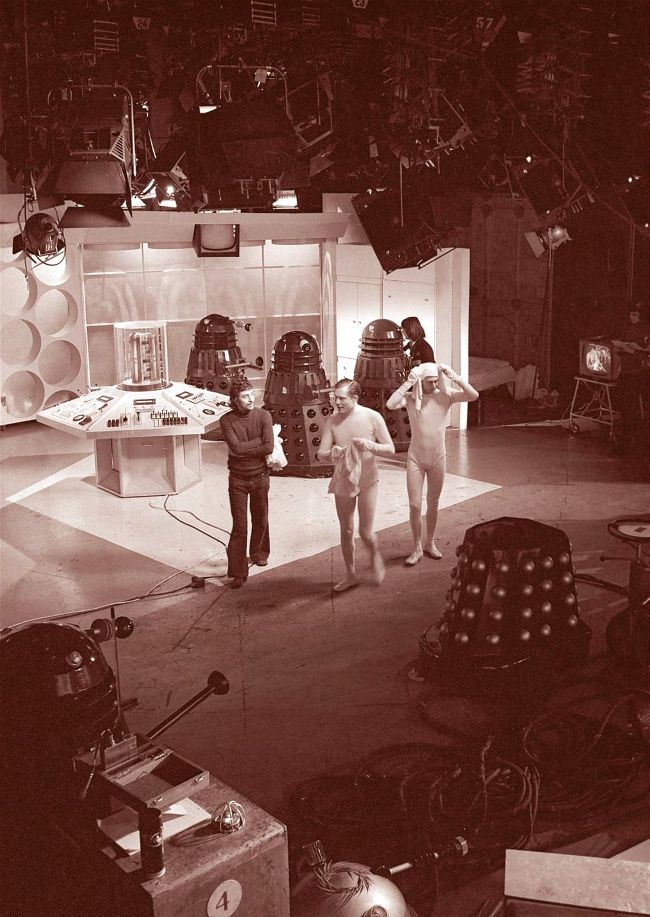
The TARDIS interior set at BBC Television Centre on 23 January 1973. On this day, the recording of Episode Two plus TARDIS and jungle scenes for Episode Six of Planet of the Daleks took place.
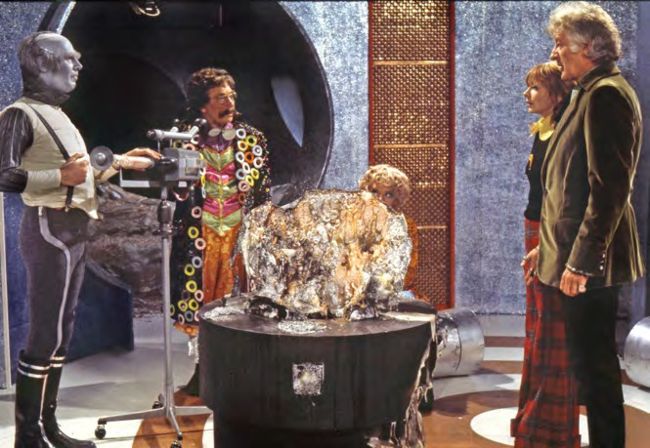
Peter Halliday (as Pletrac), Leslie Dwyer (Vorg), Jon Pertwee (the Doctor) and Katy Manning (Jo Grant) rehearse a scene for Carnival of Monsters Episode Four on 4 July 1972.
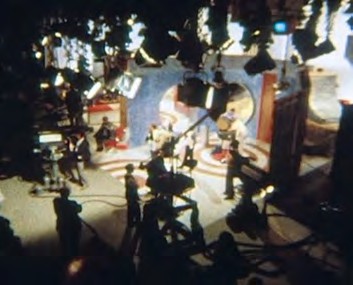
Camera rehearsals for the second studio recording session on Carnival of Monsters were captured for posterity on 3 July 1972 by the documentary Looking In.
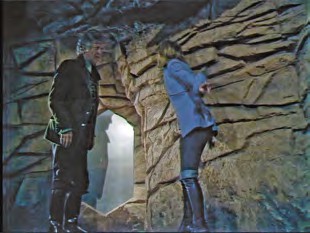
The Doctor and Jo by a hatch leading to the interior of the miniscope.
By the end of its ninth production block, Doctor Who’s fortnightly recording schedule was well established. While directing The Enemy of the World in 1967, Barry Letts had experienced first-hand the relentless grind of the weekly recording schedule endured by the Doctor Who production team throughout its early years. Towards the end of 1969, shortly after becoming producer, Letts had argued, and won, the case for shifting the series’ recording pattern from one episode per week to two per fortnight.
The cast and crew now rehearsed two episodes concurrently for almost two weeks, followed by two days in studio at BBC Television Centre. Consecutive episodes were recorded on Mondays and Tuesdays, with camera rehearsals typically starting at 11.30am and finishing at 6.00pm. The episodes were then recorded from 7.30 to 10.00pm. The fortnightly schedule meant that sets only had to be put up and ‘struck’ once every two weeks, rather than weekly, and the directors had more time to prepare for each studio recording session.