GODS AMONG US
In our regular series, we pay tribute to the towering, mega-watt stars who still roam Hollywood
WORDS HANNA FLINT
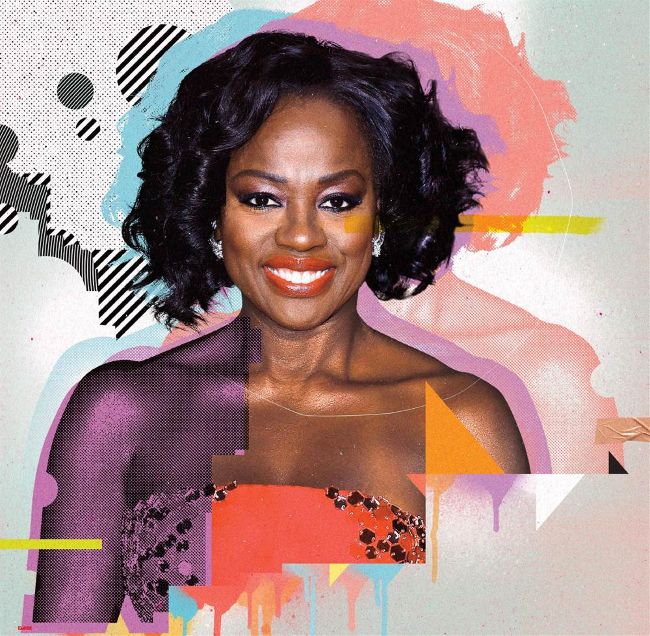
ILLUSTRATION CHRISTOPHER LEE LYONS
The human lightning rod changing the face of cinema VIOLA DAVIS
THE YEAR IS 1995 and Viola Davis is about to make the first big impact of her career. At Broadway’s William Kerr Theatre, the thenunknown actor is playing the grief-stricken girlfriend of Floyd ‘Schoolboy’ Barton, Keith David’s ex-con musician, in August Wilson’s 1948-set African-American drama Seven Guitars.
It goes well. Variety praises the way Davis “made Vera’s forlornness and self-knowledge a potent mix”; The New Yorker calls her performance “alternately shy, sassy and saturnine”. Yet despite the acclaim — and a Tony Award nomination — Davis never felt like she delivered.
“I did it for over a year and I didn’t feel like I ever got it,” she told Tom Hanks in Variety’s 2016 ‘Actors On Actors’ series.
In those early days, crippling anxiety was a serious obstacle. “I would get bad stage fright and when I say bad, I mean heart palpitations,” Davis told The Guardian in 2018. “I would stop cold in rehearsal. I’d have people screaming at me just to open my mouth and say a word.”
Therapy would help her understand why she was clamming up: the unresolved pain of a childhood defined by deprivation, domestic violence, unbridled racial abuse and sexual assault. “Every single day, I know that the trauma of those events [is] still with me today,” she said in a speech at Los Angeles’ Women’s March in 2018. So, rather than letting her harrowing upbringing hinder her art, she let those memories fuel her creative voice.
When you look into her eyes — from the horrific dilemma of a working mother in Doubt, to the weariness of a bereaved maid in The Help, to the pain of a toiling housewife in Fences — the spirits of these often maligned, maltreated yet multifaceted Black women are staring right back.
The weight of these marginalised individuals’ experiences is present in every furtive look and unsaid word. Deep-rooted is the responsibility Davis feels to these Black women.
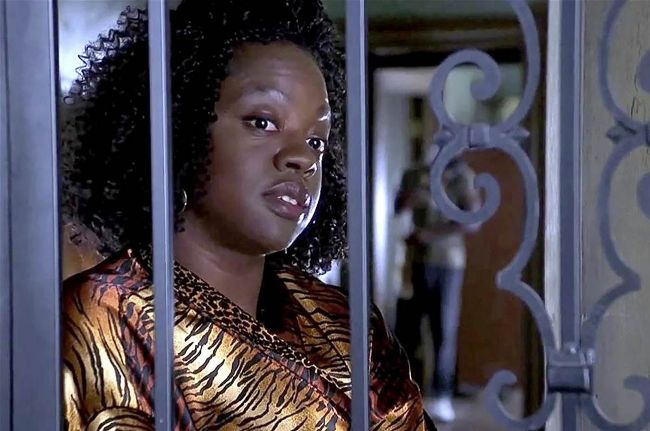
As Out Of Sight’s Moselle Miller, the weary wife of criminal Maurice (Don Cheadle)
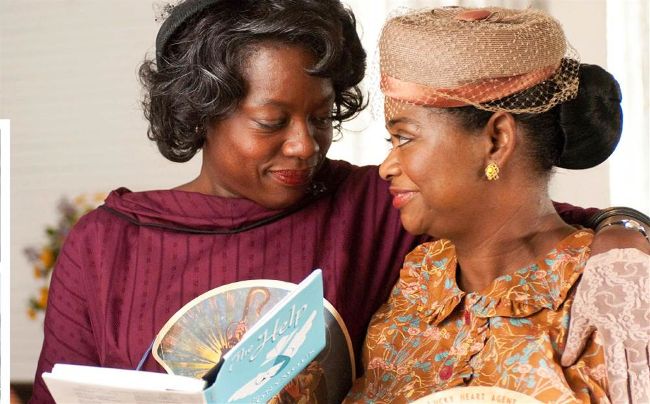
Playing Aibilene Clark, alongside Octavia Spencer, in
The Help
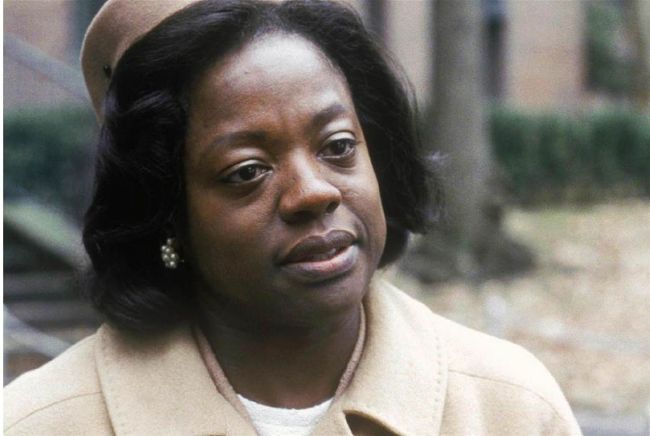
Davis’ moviestealing moment in Doubt
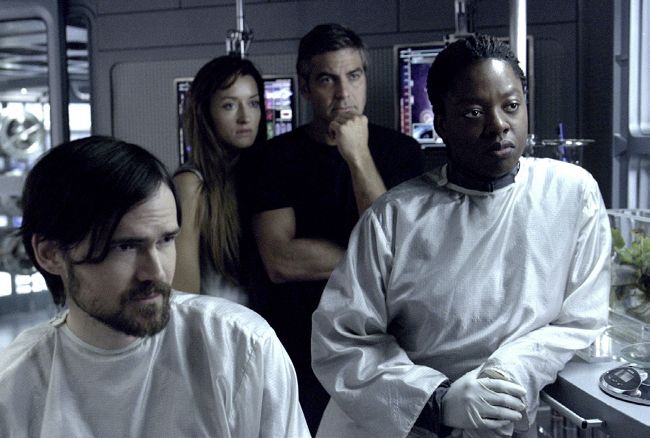
Playing Dr Gordon in Solaris, her third collaboration with director Steven Soderbergh.
THE BOX OFFICE
Viola Davis’ top five money-makers*
SUICIDE SQUAD $747 million KNIGHT AND DAY $262 million
THE HELP
$217 million
TRAFFIC
$208 million EAT PRAY LOVE
$205 million * Global box office, according to BoxOfficeMojo.com
She has been candid about the struggles she’s faced as a dark-skinned woman of colour. People would constantly praise her, she says, for being “the Black Meryl Streep”, yet she was never afforded the same job offers as her Doubt co-star — or other white female peers, for that matter — in an industry that still sees white as the default setting. “The only thing that separates women of colour from anyone else is opportunity,” she told the audience during an acceptance speech at the 67th Emmy Awards. “You cannot win an Emmy for roles that are simply not there.” It’s a sentiment she reiterated three years later to The Guardian: