REAL GONE
The Godfather
…of the British Blues left us, aged 90, on July 22.
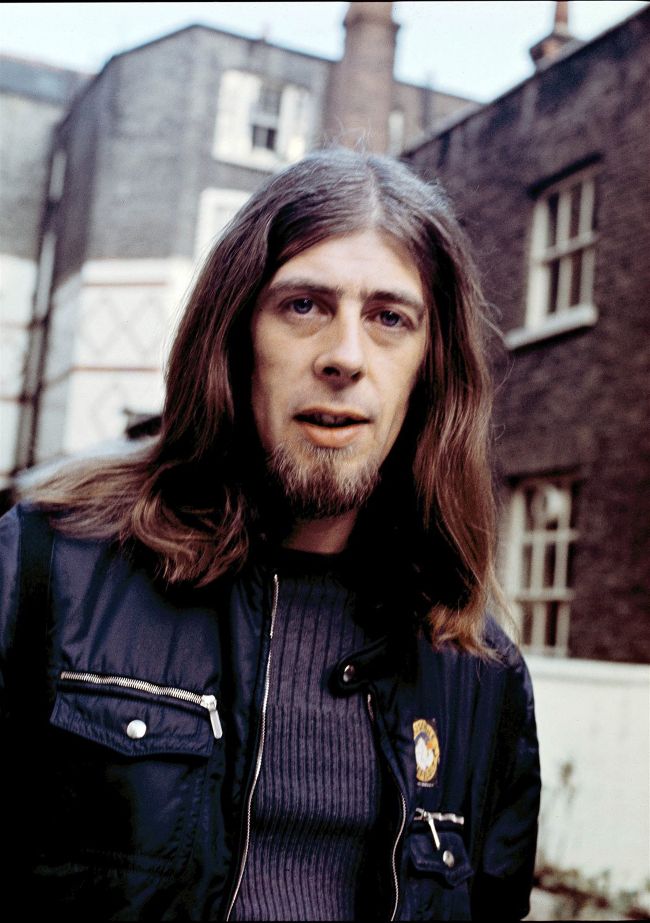
So many roads:
John Mayall, UK blues pioneer, 1971.
Michael Putland/Getty Images, Michael Ochs Archives/Getty Images, Justin Thomas
IT WASN’T until he was almost 30 that one might consider John Mayall as much more than a mildly eccentric English provincial. Living in Manchester’s Cheadle Hulme with his mum and grandfather in a tree house he’d built as a teenager 25 feet up an oak in the back garden, after National Service in Korea he held down a respectable day job as an advertising designer, while by night and at weekends he pursued his hobby playing obscure American music to a coterie of art students and the like.
He was born on November 29, 1933 in Macclesfield, and reared on Louis Armstrong and Django Reinhardt by his amateur guitarist dad Murray’s collection of 78s. Then, aged 14 at junior art school, he “discovered the joys of boogie woogie and then the blues”, favouring Pine Top Smith, Albert Ammons and Pete Johnson, leading to Jimmy Yancey and a whole world.
Self-taught on piano, guitar, harmonica and a singer to boot with original songwriting to come, Mayall started performing in 1955, his Powerhouse Four playing in the Manchester College of Art’s lunch breaks before graduating to the nearby Bodega Club. There he was discovered by a headlining act up from London for a gig, Alexis Korner. It was 1962 and British blues were about to boom.
“It was very sudden,” John Mayall recalled to me in 1990. “Everything had been Kenny Ball and Chris Barber; trad jazz ruled the clubs throughout the country. Then one day the Melody Maker had a blaring double page about how the Marquee Club was turning people away from this brand-new phenomenon. Alexis Korner and Cyril Davies were bringing amplifiers into the clubs, which was considered heresy – they were playing electric blues music. This is the music I had been playing all these years – perhaps now people would know what I was on about.”
Mayall seized the moment, chucking in his job, moving to London and in 1963 forming The Bluesbreakers, whose alumni would come to comprise some of the most revered and richest names in rock, but back then were scufflers on a mission to play the blues.
For the likes of Eric Clapton, future Fleetwood Mac stars John McVie, Mick Fleetwood and Peter Green, future Rolling Stone Mick Taylor, future Free bassist Andy Fraser and future Zappa, Journey and Starship drummer Aynsley Dunbar, Mayall was an older man, art schooled as often they were, coolly Bohemian but definitely a teacher as well as fellow blues evangelist. In his 2007 memoir, Clapton recalled how, having quit The Yardbirds and joined Mayall’s Bluesbreakers in April 1965, he moved into “a tiny little cupboard room at the top of John’s house. He had the most incredible collection of records I had ever seen… Over the better part of a year, I would sit in this room playing along with them, honing my craft.”
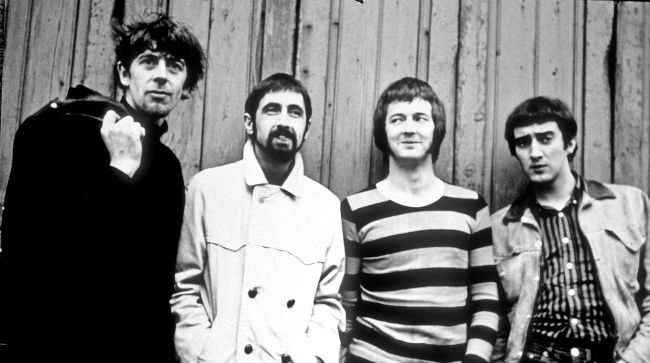
Game-changing:
The Bluesbreakers, 1966
ayall, Hughie Flint, Eric Clapton, John McVie.
“Eric was a loner,” Mayall told me. “He got all that together on his own during hours of listening, practising and playing. He was only with the Bluesbreakers for about a year, and after a time he was the principal draw. All the recognition was a burden; he just wanted to play his guitar and get on with it – he couldn’t quite see what all the fuss was about.”
If Clapton was God, Mayall was the God-maker. More followed, like Peter Green: “very arrogant, a pain in the arse. Having to follow in Eric’s footsteps, audiences going, ‘Where’s Eric?’, his arrogance stood him in good stead.”
Mayall not only nurtured and showcased young blues-rockers but jazzers too, including Alan Skidmore, Johnny Almond, Dick Heckstall-Smith, Chris Mercer, Henry Lowther, Tony Reeves and Jon Hiseman. Many more outstanding talents across blues, jazz, folk and all stops in-between would follow as Mayall formed and dissolved line-up after line-up in his explorations and fusions of the music he loved, seldom driven by the dollar.