Star interview: Kei Miller
A differernt view
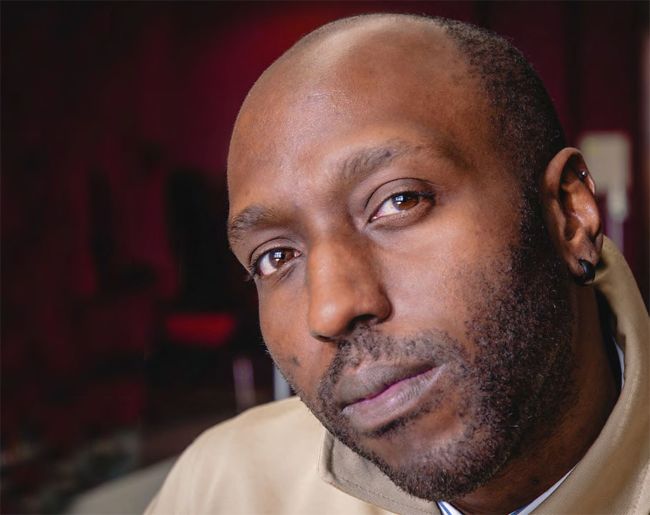
A differernt view
From the hills above Jamaica’s August Town to London academia, award-winning poet and novelist Kei Miller’s voice resonates across boundaries. Interview by Tina Jackson
If you only read one new novel this summer, WM recommends the spell-binding Augustown, by Jamaican poet and author Kei Miller, winner of the 2014 Forward Prize for Poetry. Its 223 pages are crammed with narratives, ideas, politics, love, tragedy and marvels, all conveyed with deep humanity, searing insight and lyrical clarity.
Kei’s Augustown is a shanty town in Jamaica where old, blind Ma Taffy, sitting on her porch, senses that a terrible danger is coming. When her grandson Kaia comes home from school, his Rastafarian dreadlocks shorn by his teacher, Ma Taffy knows that the ‘Autoclaps’ is on its way.
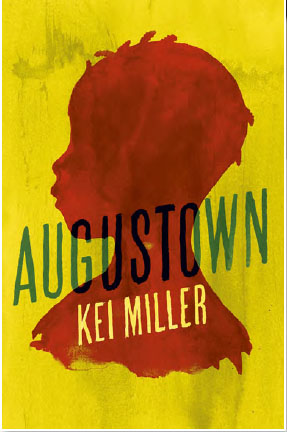
Augustown is a slim novel it but the involved stories it tells, including that of the real-life Jamaican preacher, Alexander Bedward, who believed that he would fly to heaven and who paved the way for Rastafarianism, have had a slow genesis. ‘This novel took forever because I was so interested in story. I didn’t want the beauty of language to detract from the story. Augustown is purposely stripped down, to focus on the story and what’s happening,’ Kei says. ‘The beginnings of Augustown was a two-stage process. One thing, then a second thing, came together. Kamau Brathwaite is a poet in the Caribbean that I very much look up to, and years ago I was a student at the University of the West Indies and he said: “It is time to write about Bedward.” And I thought, yeah. And, when can you write that story in a different kind of way?’
A conversation with a friend gave him the beginnings of an answer.
‘And not long after that, another Caribbean poet, younger than me, Ishion Hutchinson, and me were talking,’ recounts Kei. ‘And he is very in the thrall of vocabulary and uses elevated language, but he was telling me this story, this horrific story about how his teacher at school cut off his dreadlocks and his mother went to school and punched the teacher. I’d never heard him slip into Jamaican Creole before... and it was the language he used, to describe this trauma. To tell the story about this boy, and the story of Bedward. These are the two kinds of beginnings, and years later I thought them over and connected between the two stories.’