Blue Zoo
Part two of our series on Blue Zoo looks at the art of developing animated shows and creating unique visuals
A still from InShapes, the Blue Zoo Shorts film of 2 020. Directed by Zoé Risser
# 2 DEVELOPING SHOWS AND UNIQUE LOOKS
T
he production of an animated series wouldn’t be possible without the development process. From pitching and writing scripts to developing a unique look and establishing a target audience, the development process is key to ensuring that production has a strong focus and an animated series is the best it can be. Working with internal or external talent, producers and co-producers to develop an animated project is a key part of Blue Zoo’s creative process, before and after pitching a show to platforms or networks.
In this second part of 3D World’s in-depth series on Blue Zoo, we look at how the animation studio develops and pitches animated series based on existing and original IP and get acquainted with its talented look development team. We also explore how Blue Zoo’s people-first ethos feeds into its development process, and how readers can develop their own animated projects, big or small.
READY, SET, PITCH!
Helen Arntsen is Blue Zoo’s head of development. She oversees the studio’s slate of projects in development and helps to get them ready for pitching to broadcasters, online platforms and anywhere that might provide a fitting home for the project.

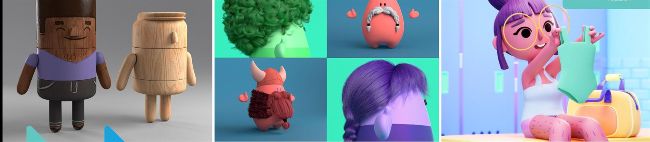
Experimental characters for Blue Zoo’s look development team that were used across the studio’s social media
“There’s loads of places to pitch now,” Arntsen tells 3D World, “to raise finances for the production and find their route to audience.” Blue Zoo’s development team are responsible for looking for the next exciting project, reading pitches that are sent to the studio, taking pitches in-person, reviewing potential projects and working on in-house initiatives to come up with fresh ideas. “The other side to it is developing those projects once we’ve found them. The bulk of our time is spent honing those projects before we pitch them.”
“A PROJECT REALLY STANDS OUT IF IT’S GOT A UNIQUE STARTING POINT”
Helen Arntsen, head of development, Blue Zoo
So what exactly are Blue Zoo’s development team looking for in a potential project? According to Arntsen, “the ones that really stand out are the ones where someone’s got a unique starting point, the heart of it is really exciting but not all the details are nailed. There’s this opportunity to jump in and collaborate on building the vision they and we have for it.” This process could involve working with a creator who has a strong vision for their project, allowing Arntsen and the team to support and guide development, ensuring that everything stays on track. Or it may involve more hands-on creativity, for example, if a co-producer comes at the project from a writing perspective, the team may focus on the visual development. “It’s always collaborative, but it could be any different kind of shape,” says Arntsen.