Fernandes’ formula
Tony Fernandes has been instrumental in making AirAsia one of the most successful airlines in the region. He spoke to Michael Doran about how he turned a debt-ridden service into one with big plans with increased routes on the horizon
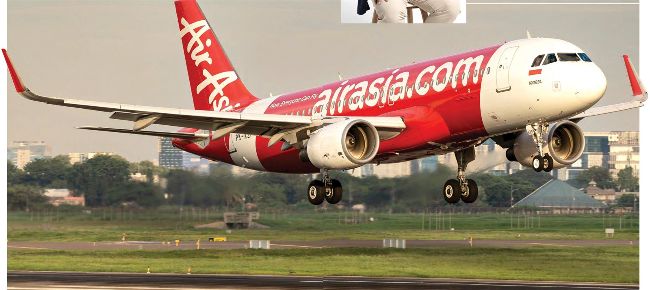
The AirAsia fleet currently spans 249 aircraft including 171 A320-200s, 40 A320neos, three A321-200s, eight A321neos, and 27 A330-300s
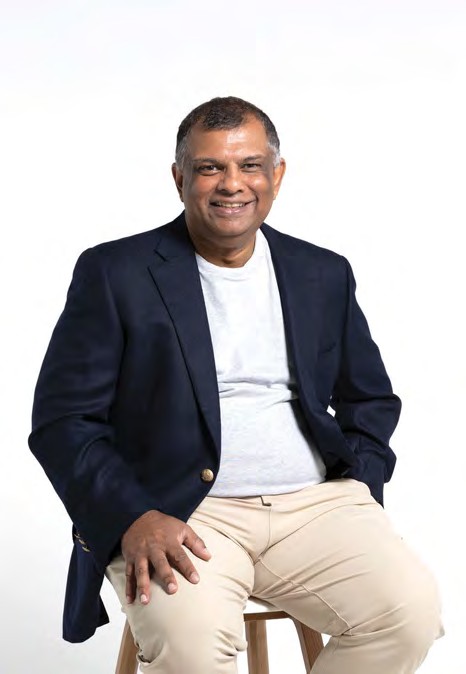
Tony Fernandes, CEO of Capital A (previously known as AirAsia Group)
ALL IMAGES AIRASIA UNLESS STATED
In 2001, Tony Fernandes and Kamarudin Meranun bought a struggling airline with just two aircraft and 200 staff for the princely sum of one Malaysian ringgit (16p), although it did come with MYR40 million (£6.7m) of debt.
AirAsia is now the fourth largest carrier in Asia, with more than 200 aircraft and 21,000 staff working within airlines across Malaysia, Thailand, the Philippines, Indonesia and Cambodia. It has carried more than 800 million people on its extensive network that stretches across Asia and as far afield as Australia, Kazakhstan, India and most recently, Africa.
Formerly known as AirAsia Group, Capital A is an investment holding company with a portfolio of travel and lifestyle businesses that is currently restructuring into various entities. The airline business, which includes regional short-haul carriers within the AirAsia Aviation Group and medium-haul airline AirAsia X, will come together as one listed entity. The face of AirAsia, for more than 20 years, is Tony Fernandes who now holds the role of CEO of Capital A and advisor to Bo Lingam, the CEO of AirAsia Aviation Group.
The carrier is breaking new ground by launching nonstop flights from Malaysia to Kenya on November 15. Before the launch event in July, Tony Fernandes generously took time out from his official duties to talk with our sister title Air International, about the airline business, the state of the industry, and how the carrier has grown from humble beginnings to where it is today.
When asked why the business was restructuring, he responded: “I created all these companies out of the aviation group, but they have different investment profiles, so people who want to invest in aviation may not want to invest in cargo, and someone in cargo definitely won’t want to invest in digital businesses.