THE TICHBORNE CLAIMANT
Who was the mysterious man who claimed to be the long-lost heir to one of Britain’s oldest aristocratic families?
Written by Callum McKelvie
From Alexandre Dumas’s 1850 adventure The Man In The Iron Mask to Patricia Highsmith’s The Talented Mr Ripley, tales of imposters and devious doubles have thrilled us for centuries. But sometimes fact is far stranger than fiction. In the mid-19th century, Victorian Britain was shaken to its core when Roger Tichborne, the heir to the aristocratic Tichborne family, returned to his ancestral home, 13 years after disappearing without a trace. When he attempted to claim the Tichborne inheritance, a bitter legal battle began that divided Victorian society. The Tichborne Claimant might appear to be another tale of a devious con artist, but the story of this real-life Mr Ripley is far more complex than it might first seem. Was he the long-lost Roger as he claimed? Or was he the manipulative Arthur Orton, out to swindle Britain’s ruling class?
By the 19th century the Tichbornes had established themselves as privileged members of Britain’s ruling elite. An old and prestigious family, they had held Tichborne manor in Hampshire since at least the 12th century and were also said to be extremely wealthy, owning lands worth somewhere in the region of £25,000, an astronomical figure at the time. The heir to this vast fortune was Roger Charles Doughty Tichborne, the eldest son of Sir James Tichborne and Lady Tichborne, Harriette Felicité. Born in Paris in 1829, he spent much of his young life in the army, serving as a lieutenant in the Sixth Dragoon Guards.
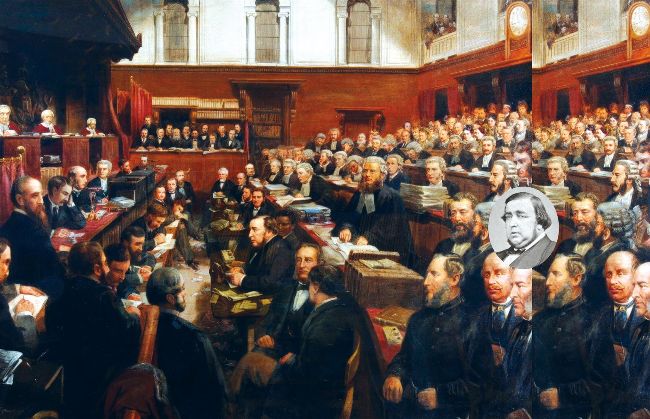
A lavish illustration of a scene from one of the trials, the Claimant can be seen at the centre while Kenealy is depicted on the right
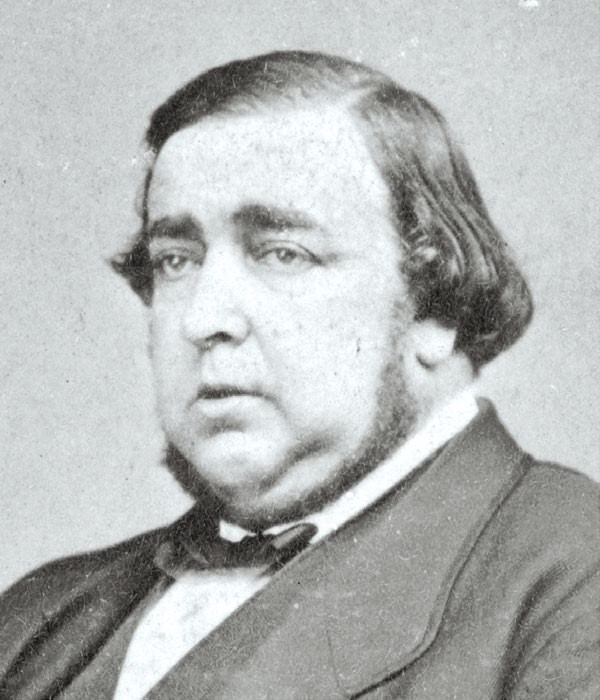
© Alamy
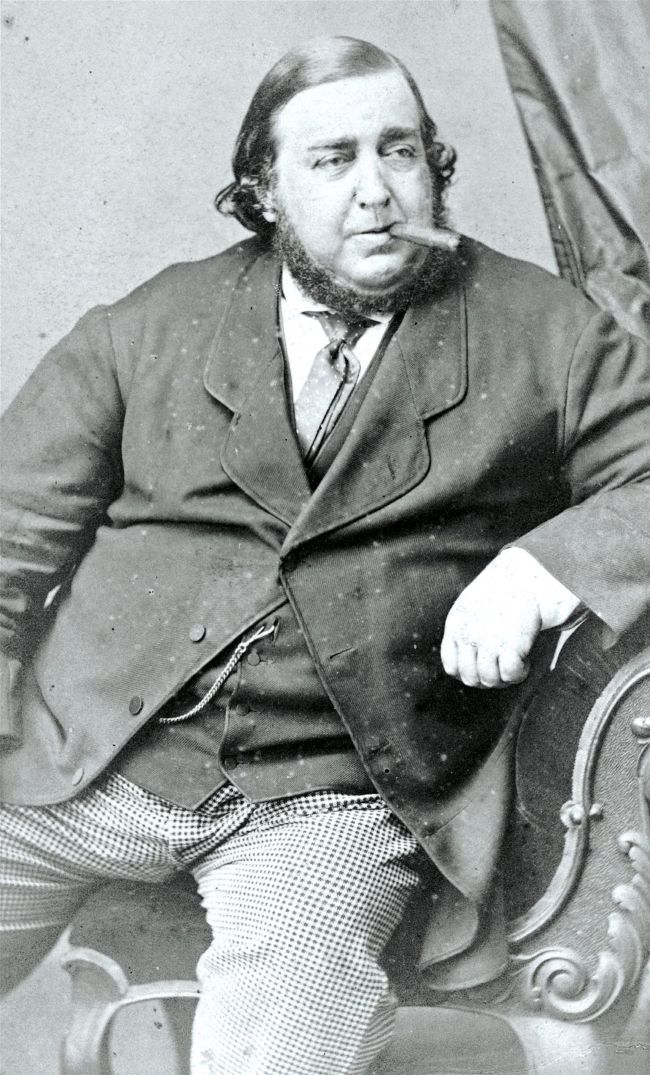
Compared to the relatively diminutive Sir Roger, the Claimant was a large man – a factor that featured much within the trial
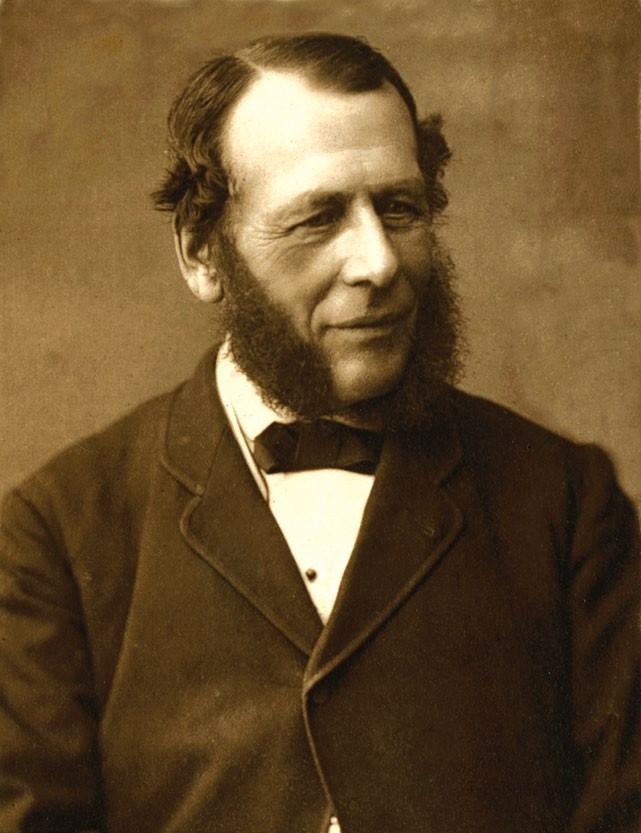
ABOVE
William Ballantine, lawyer for the Claimant at the Tichborne V. Lushington trial
All images: © Alamy, © Getty Images
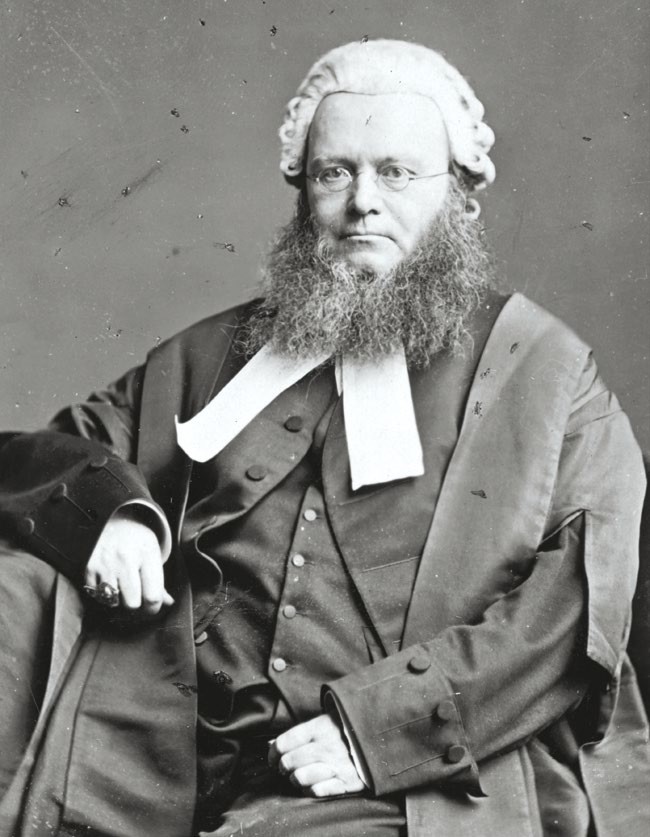
ABOVE
The Claimant’s defence lawyer during the second trial, Edward Kenealy
THE TICHBORNE DOLE
The affair of the Claimant is not the only mysterious part of the Tichborne family’s past, and an ancient curse has ramifications that are still felt today
The story goes that, one spring day sometime in the 13th century, Lady Mabella Tichborne lay dying. In her final moments, she begged her husband Sir Roger to promise that he would donate food to the poor villages each year following her death. But Sir Roger was a cruel man and he made a despicable arrangement with his dying wife. He promised he would donate flour, but only from the amount of farmland that Lady Tichborne was able to crawl around before the blazing torch she was forced to carry went out.
However, Lady Tichborne succeeded in traversing an entire 23-acre field and cursed her husband. Should any generation of Tichbornes fail in donating the yearly amount of food, or Dole, she prophesied a generation of seven daughters would be born and the family name would soon die out. When the Dole was suspended in 1796, part of the house collapsed in 1803, before the prophesied seven daughters were born to Sir Henry Tichborne who took the baronetcy in 1821. The Dole was reinstated shortly afterwards and continues to this day with a yearly ceremony.