SPIES LIKE US
THE TALISMAN OF GCHQ, THE GOVERNMENT’S COMMUNICATIONS HEADQUARTERS, IS ALAN TURING, ONE OF THE MOST ICONIC FIGURES IN GAY HISTORY. BUT IN THE 1950s A GOVERNMENT EDICT PROHIBITED THE INTELLIGENCE AGENCY FROM EMPLOYING GAY MEN. MANY OF THOSE ALREADY WORKING AT THE ORGANISATION WERE REMOVED AND THE POLICY REMAINED IN PLACE UNTIL AS LATE AS 1993. HOWEVER, JUST FOUR MONTHS AGO, GCHQ WAS RANKED 75TH ON STONEWALL’S WORKPLACE EQUALITY INDEX, WHICH MEASURES THE MOST LGBT+ FRIENDLY EMPLOYERS IN THE UK. NOW ATTITUDE HAS BEEN GRANTED EXCLUSIVE ACCESS TO FIND OUT HOW AND WHY SUCH A MONUMENTAL CHANGE HAS TAKEN
WORDS: CHRIS GODFREY // ILLUSTRATION: VICENTE MARTÍ SOLAR
Could you be susceptible to blackmail? It was a question levelled at Ian Pritchard in 1961, during one of GCHQ’s infamously vigorous vetting interviews. Had they known he was a closeted gay man, the organisation’s assumption would have been yes, there was a reason he could be blackmailed.
At 18 years old, Pritchard followed his father and joined the RAF, hoping to take advantage of their linguist training programme. After completing three years’ service, a career at GCHQ, one of the UK’s three intelligence and security agencies, seemed a natural step for a serviceman trained in the Russian language.
Pritchard hadn’t fully accepted his sexuality and knew he’d probably be asked about it during the security interview. A decade earlier, in 1953, the government had required GCHQ to introduce positive vetting. It’s an Orwellian title for a process which involves actively investigating the negative character traits or associations that would prohibit hiring a potential employee. Previous red flags included connections to communists or fascists, a primary loyalty to a foreign government, or anything else which could involve a conflict of interest.
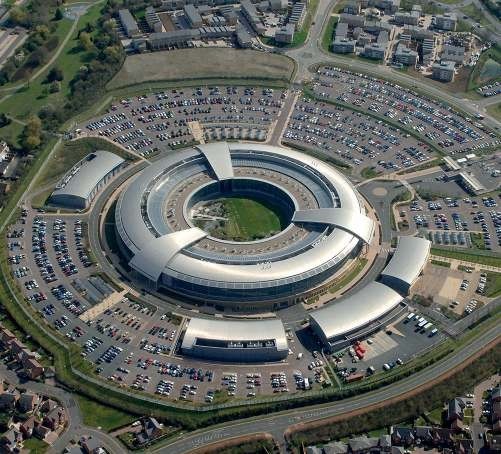
CLOSING THE CIRCLE: There have been major changes at GCHQ
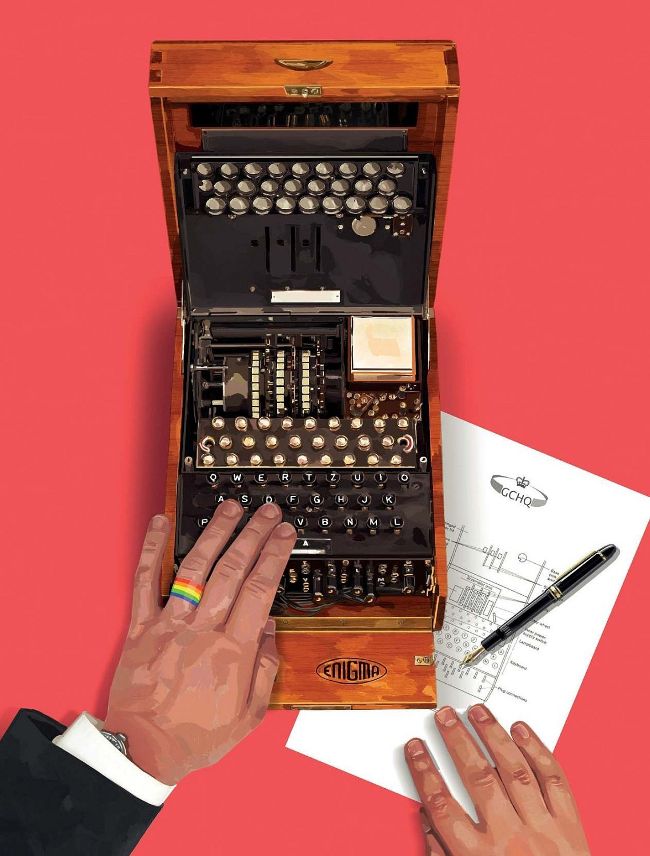
GCHQ
At the time, positive vetting also determined that homosexuality was a character defect, thus barring all gay men from working in the security services. Pritchard knew this and fully expected his designated vetting officer to ask “the big question” — was he gay? But instead, sitting in a children’s library in Preston, the question asked of Pritchard was more ambiguous. Could he be blackmailed?
Could his desire to keep his sexuality secret force him into a serious conflict of interest? Could Russian spies use knowledge of his sexuality to coerce state secrets from him? Pritchard didn’t consider himself a target. He also didn’t believe he’d ever be susceptible to such an attack. So, he answered the question truthfully: no.
Pritchard wasn’t asked any follow up questions regarding his sexuality and was hired as a linguist. For seven years he worked predominantly at GCHQ’s former site in Oakley, Cheltenham. His work was — to his knowledge — wholly satisfactory. Up until his penultimate day in the building, his sexuality was never questioned.
In 1968, a year after partial decriminalisation in England, Pritchard told one of his friends, a colleague at GCHQ, that he was gay. His friend immediately ended their relationship.
Not long afterwards Pritchard found himself under investigation by the internal security team.
“One other friend who had come up to me… said he’d been interrogated by security,” Pritchard recalls.
The interrogators had been asking this friend about Pritchard’s sexuality. Pritchard went to warn other colleagues that they could be interviewed by security about him. They told him they already had been. “I blew my top at this and said: ‘if they’ve got something to say they can say it to me’. I think my first meeting was shortly afterwards.”
Pritchard remains unsure why the security team decided to cross-examine him and his colleagues. He speculates they were either told by the colleague who knew or that they arrived at the conclusion as a result of the re-vetting procedure that all GCHQ employees are subject to every five years. (When asked about this, GCHQ said it does not comment on individual cases).