DESIGNING YOUR HOME
Architect Julian Owen gives his top tips on developing a successful scheme for your dream house, from the initial concept to getting your design through to planning
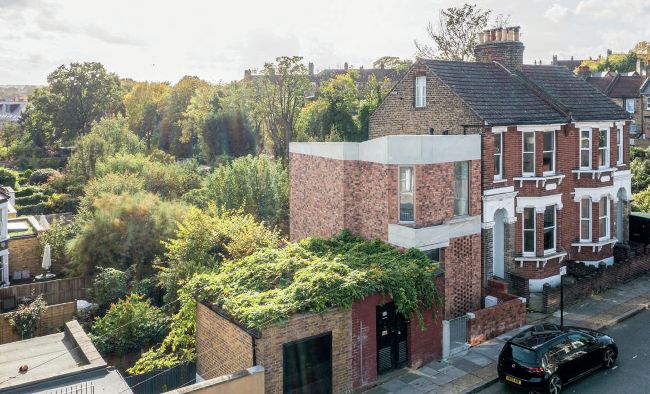
The owners of this new build home designed by Whittaker Parsons (www.whittaker
parsons.com) found the architects’ use of physical models helped them to visualise how the house would work for them
Once you’ve found a building plot and appointed an architect, it’s time to start designing your house. This is when the real fun starts. After all the hard work to get to this point – not to mention the money spent on the land – you’ll probably be keen to get cracking and submit a planning application.
However, it’s worth spending a little time on this stage and relishing the chance to experiment with ideas. For a few weeks, you and your designer will be able to concentrate on the drawings and investigate possibilities without outside interference. Once your submission is in front of the planners, other people will begin having their say and you’ll have to persuade, cajole and negotiate with them to protect your concept.
Creating a brief
An essential ingredient to your home’s design is your initial brief. This usually divides into ‘right brain’ practical matters and ‘left brain’ inspirational ideas. Your functional requirements are likely to include the number of rooms you want, their sizes and how they will be used. You can probably list a great deal about your current needs, but don’t forget that the way you use the house will change over time, especially if you live in it for many years. If you expect to grow old there, or have friends or relatives with impaired movement, you might want to include wheelchair-friendly access, or space for a stairlift or elevator in the future.