EXTENSIONS HOW TO BUDGET
Understanding costs and planning your spending carefully is vital to make sure your project runs smoothly. Georgina Crothers looks at the key considerations
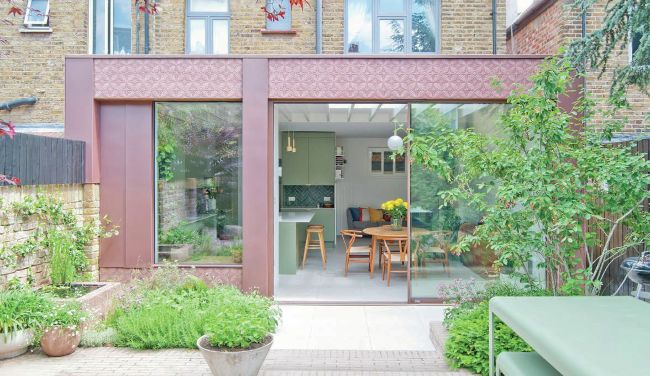
Novak Hiles Architects was behind this South London extension. Costing around £110,000, the downstairs plan was reconfigured into a staggered open-plan kitchen diner
Extending your home is a great option to update and adapt your space to suit your needs, without the hassle and cost of moving house. It can also add real value, potentially netting you a profit – provided you devise a well thought-out budget and stick to it. Pinpointing how much money to put aside for your extension can be tricky, however, particularly if it’s your first major project – although there are rules of thumb to follow (see ‘what does it cost to extend?’). In this guide, I’m exploring the key elements to account for in your home extension budget, and how you can anticipate some of the classic pitfalls that lead to overspending.
What does it cost to extend?
The overall cost of an extension varies on a case-by-case basis but it’s helpful to have a rough overall outline before you decide if it’s for you. According to Tamsin Bryant, architect at ABL3 Architects, the average extension her firm works on costs between £2,500-£3,500 per m2, subject to complexity and finishes.
Factors such as the size and how open-plan you want your space to be (which will dictate any requirement for supporting steels etc) are the biggest contributors to the total cost. “Complexity of the structure, the types of foundations required, existing services, whether you’re building over a public sewer and how accessible your site is will also impact on your total budget,” says Tamsin. In general, you’ll be aiming to spend less on your extension than the finished value of the house (take look on Zoopla to get an idea of recent property purchase prices and ceiling values on your street).