Restoring period features
Uncovering an original detail could create a stunning focal point in your newly renovated house, but taking the incorrect approach to restoring it could damage its historic value. Alan Tierney explains how to reinstate heritage elements without ruining them
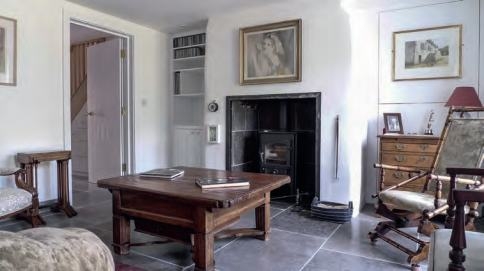
As part of the renovation of this mid-18th century cottage, the designers at Phillips Tracey Architecture (
www.phillipstracey.com) were keen to preserve the original main chimney stack. The exposed brickwork (right) was left on show and white-washed with paint to create a striking visual feature
MICHAEL PHILLIPS
Much of the value, interest and inherent pleasure associated with a period building lies in its history and character. This means that most people taking on the refurbishment or renovation of an old building will endeavour to recover or restore the property’s period features; but this isn’t limited to just original details – high quality additions or alterations that have been made during its long life may well be worth preserving. Here, I’ll be revealing what to look for and how to make the most of what you find.
General principles
Firstly, always proceed with caution – old fabric can be delicate and fragile, especially if it’s been neglected in the past. If you aren’t careful, you could end up causing damage during the investigation or even when you’re attempting to repair. It’s best to go slow; be prepared to pause and reconsider your approach, and get advice or assistance from experts when necessary.
The second thing to remember is that signs of age (including wear and tear, patina and lack of uniformity) are part of what gives period features their character. It’s best not to over-repair or try to make details new and shiny – less is more in most cases.