AGRICULTURAL CONVERSIONS
Barn conversions are a sought-after route to a bespoke home and Class Q planning rules are making it more accessible. Alan Tierney shares the ins and outs of this kind of project
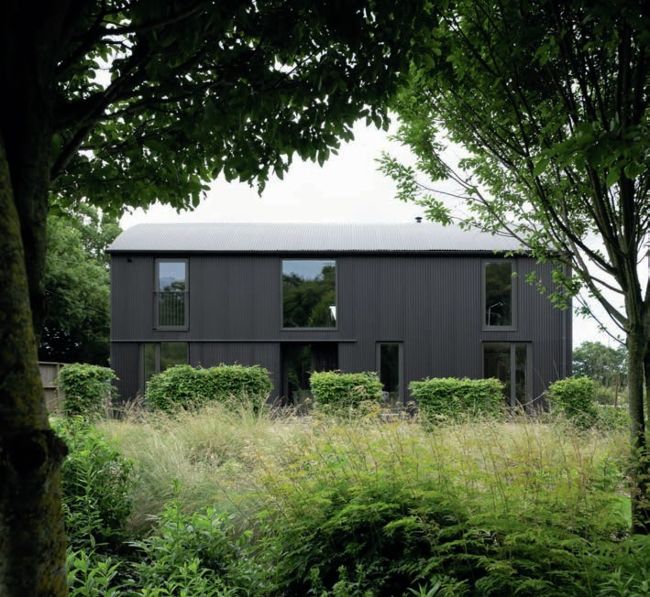
A 1930s agricultural Dutch barn in West Sussex has been converted into this stunning family home under Class Q permitted development rules. Sandy Rendel Architects (sandy
rendel.com) were behind the design, which features striking corrugated metal cladding and sliding metal shutters to ensure the building’s agricultural past is recognised
JIM STEPHENSON
Changes to farming over the past century or so have left many agricultural buildings redundant. These tend to be large structures by domestic standards, often very solidly built, and can provide conversion opportunities to create striking new homes.
The secret to a successful conversion is to retain the essential characteristics of an agricultural building, with its distinctive, robust structure and large spaces, while creating a comfortable and practical living environment. Over the next couple of pages, I’m exploring the important considerations involved in taking on an agricultural conversion.
Planning
Class Q is a specific form of permitted development (PD) that allows the conversion of agricultural buildings to residential use. This means you can complete the building operations required to change these structures into a dwelling without the need to apply for planning permission. The building must be capable of conversion (ie not replacement or substantial reconstruction) and in those instances it can be an extremely effective route, with substantial savings in cost and time.