Dealing with conditions
Building materials, parking arrangements, landscaping and the welfare of wildlife are just a few of the areas where restrictions could be imposed on your planning permission. Here, Mike Dade explains how to tackle them
Mike Dade
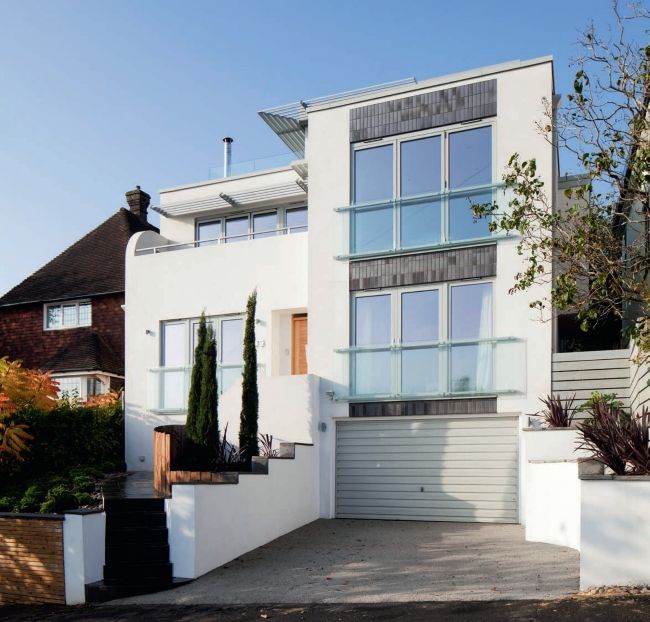
common condition is that sightlines onto the main highway need to be kept open. Here, low stepped walls help to maintain good visibility
When councils grant planning permission it is almost always subject to conditions, which can cover a wide range of issues. They can have implications for the timing and cost of your project, and can even infl uence whether you can build at all. It’s essential you’re aware of what they cover, when they’re imposed, how to comply with them and how to remove or appeal against them. So, here we’ll have a look at conditions in general first, and then go on to analyse some specific ones in greater depth.
Why are conditions imposed?
Conditions are generally aimed at ensuring the development proceeds as planned, to mitigate any potentially harmful effects and to gather and approve additional information on specific subjects, such as materials, landscaping, drainage and so on. They can be attached to both full and outline planning permissions, and to the approval of so-called ‘reserved matters’ that follow on from an outline permission.
The government sets out its stance on conditions in the National Planning Policy Framework. This is fl eshed out in greater detail in the planning practice guidance. There are six tests that all conditions should meet: they must be necessary to make the development acceptable, directly related and relevant to the development and to planning; and they must be enforceable, precise and reasonable in all other respects. The guidance seeks to limit the use of conditions, but some councils routinely impose far more than others. Have a look at two or three decision notices for the type of development you’re proposing to see what approach yours takes.