Planning your perfect HOME OFFICE
Tired of spending all your office hours plonked in front of the kitchen table? Chris Bates looks at what’s involved in creating an inspiring, practical and enjoyable place to work from home
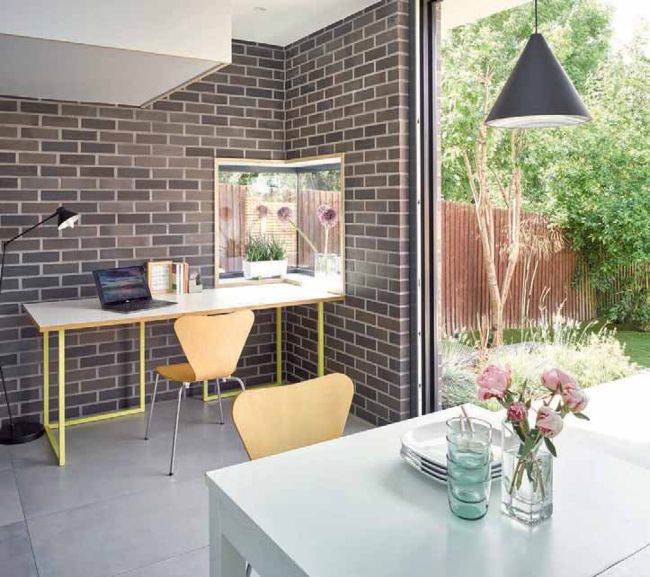
Designed by architects Selenky Parsons, this contemporary extension features IDSystems glazing - including a clever corner window that marries up beautifully with the desk, offering plenty of light and garden views
Over the past year, millions of us have been forced to work from home (WFH) - often in spaces that aren’t really fit for purpose. That might be at the dining table, sat in a statement chair that rather prioritises form over function, for example. Or perhaps at a hastily-purchased flatpack desk, tucked in the back of the living room or crammed into a bedroom while the kids are at school. Either way, it’s likely to be a far cry from the practical yet inspiring space you might have envisaged.
The received wisdom is that more and more businesses will switch permanently to a home working arrangement. If you’re in that boat, or simply want to make a change to your work-life balance and cut your commute, then now’s the perfect time to look at upgrading that makeshift office into a viable long-term WFH space. Or perhaps even taking the plunge with a wider project that will meet all your lifestyle goals. Here’s what you need to consider.
Do you need planning permission to work from home?
The fact many of us have been doing exactly this since the first lockdown began should set your mind at rest that, by and large, planning permission isn’t required for typical home office use. So if you plan to set yourself up in a spare bedroom, or incorporate a fairly standard workspace into the design of a new house, you should be fine. It’s only when things get a bit more extensive that you’re likely to cross the murky boundary between a house and what’s technically known as mixed residential and office use.
“If you’re going to be taking over several rooms or your work involves staff coming to the house, for example, then you might need formal consent,” says Build It’s planning expert, Mike Dade. “A good rule of thumb is whether the use is likely to generate levels of noise, visitors, traffic or fumes that go above and beyond what might be expected at a normal house - or if it needs special machinery or external alterations. If any of those apply, then it’s highly likely planning permission will be needed.”