Does it need planning permission?
Planning expert Mike Dade explains how to navigate the complexities of permitted development (PD) rights, and lays out six projects that are achievable under this umbrella
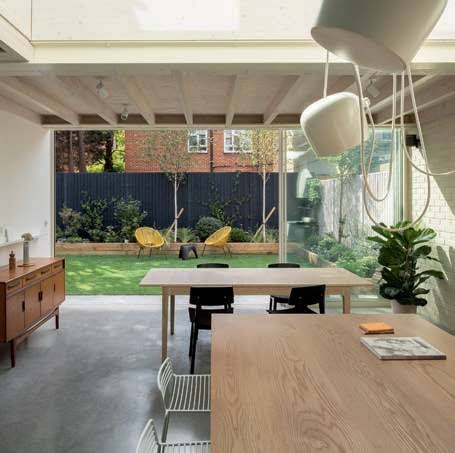
Proctor & Shaw (
www.proctorandshaw.com) developed the design for the extension and remodel of this house. While the rear addition and loft conversion technically fell under PD rights, the homeowner was unsure if his entitlements still applied due to a structure added in the 1980s. To cover bases, he applied for a lawful development certificate and full planning consent. Permission was granted under the latter category
STÅLE ERIKSEN
Given the time, cost and uncertainties involved in applying for planning permission, it’s gratifying to know there are many projects you can undertake without making a fullblown submission. Some don’t need consent at all, while others fall under the bracket of what’s known as permitted development (PD) rights. This set of allowances permits a wide range of schemes from extensions, alterations and garden works through to conversions of various types of buildings. Here, I’m taking a closer look at what you can and can’t do, as well as providing advice on navigating safely through the maze of rules.
The basics
Permitted development is the phrase used to describe a range of different types of project that the government has effectively granted a blanket planning permission for. These rights are set out in the General Permitted Development Order.