Building in a flood zone
Architect Julian Owen takes a look at what design elements can help to reduce the risk of damage caused by flooding
Julian Owen
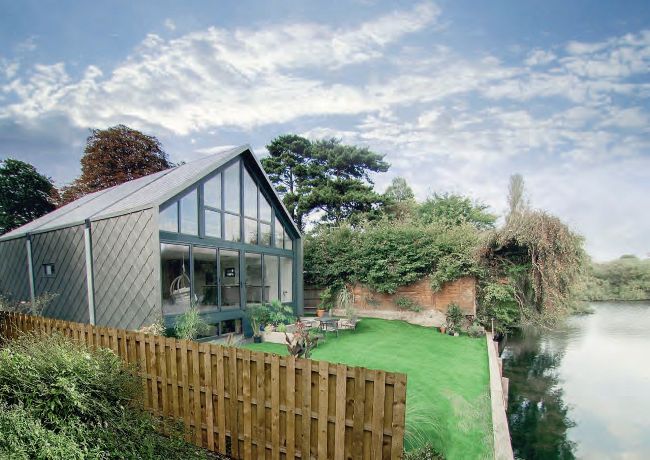
Baca Architects designed and built The Amphibious House, which can rise up in its dock and float if flooding occurs
FREEMANTLEMEDIA
Many people would like to live by the sea or a river, attracted by the scenic views and nearby opportunities for boating, fishing and walking. However, one downside to residing in these locations is the threat of water ingress. Some of the UK’s most picturesque towns and villages have appeared on the news as possessions are lost, homes ruined and lives put in danger by flooding. And events like this aren’t one-offs, as it looks like the frequency of flooding is set to increase in the coming years due to climate change. This means future dangers have to be considered if you’re planning to self-build or extend in an area that’s at risk.
Planning hurdles
About 5.5 million homes in the UK are in danger of being flooded. That’s approximately 15% of properties built near to rivers, the sea or areas of extreme surface water run-off caused by local ground conditions – the latter of which are often in places that aren’t actually near to open water.
If you’re thinking of self-building or altering a house in an area identified as a flood zone then the risks need to be confronted early. This is likely to be an influential issue for your local planning department when they consider your application, and failure to comply with the stipulations of the Environment Agency usually results in a refusal.
There are ways of addressing the concerns of planners, especially if you’re extending a house in a lower risk area. In these cases, keeping the floor level the same as the existing building and including measures that will minimise potential water damage to the structure should suffice.