Windows & energy efficiency
From the type of glazing to frame materials, Rebecca Foster outlines the key factors to consider when selecting your home’s fenestration
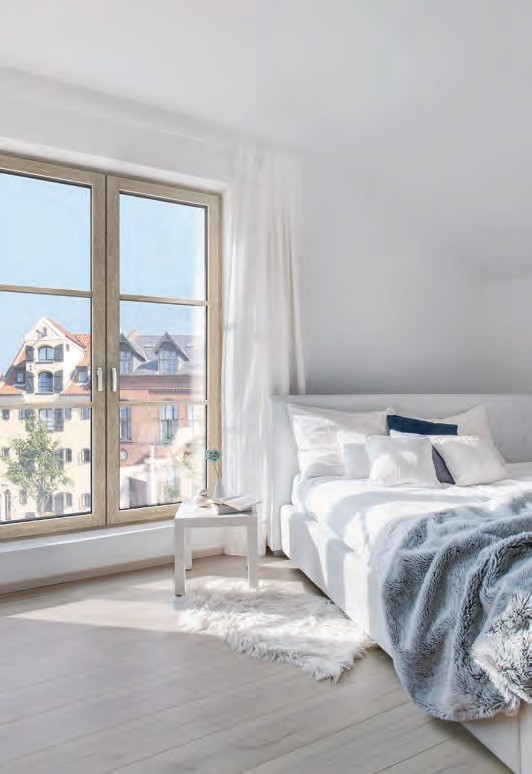
Wood is a natural insulator, so is often specified as a frame material in projects where energy efficiency is a high priority. These units were supplied by Internorm
Whether you’re self-building or renovating, creating a sun-soaked home that’s bathed in natural light is likely to be somewhere close to the top of your project priority list.
As well as playing a huge role in establishing the overall character and aesthetic of your dwelling, windows are an important part of the structural fabric. While broad swathes of glass can create a stunning design feature, it’s essential to specify energy efficient fenestration to ensure that you aren’t losing too much heat via the shell of your new home.
The basics
There are plenty of advantages to investing in highly efficient fenestration, from creating a comfortable internal environment to cutting your energy bills. “An airtight arrangement also offers improved acoustic insulation”, says Ryan Breslin, managing director at Cherwell.
However, there can be a lot of jargon to get your head around when you first start hunting for suitable products.
U-values are the measure used to describe a window’s thermal performance. “This figure indicates the amount of warmth allowed to escape through a window – in other words, heat loss”, says Donna Muir, direct sales manager at Velfac. “When assessing a unit’s ability to retain warmth, the lower the number the better.” If you’re building a new home, the Building Regs stipulate the U-value for whole windows and doors (frame and glazing) should be no higher than 1.8 W/m2K. If you’re replacing the fenestration as part of a renovation, the required figure is 1.6 W/m2K.