How to Assess a Barn Conversion
Build It’s heritage buildings expert Alan Tierney presents the key ways to establish if a barn could become your dream home
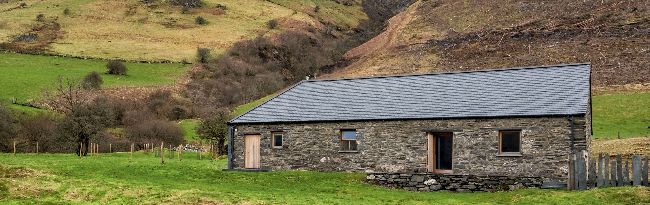
Build It reader Simon Baker fell in love with the Snowdonia landscape that surrounded an old barn on sale. “The place ticked all my boxes, though it had no formal planning permission to convert and was in a National Park with restrictive covenants,” he says. Read about how he completed the project by visiting www. self-build. co.uk/baker
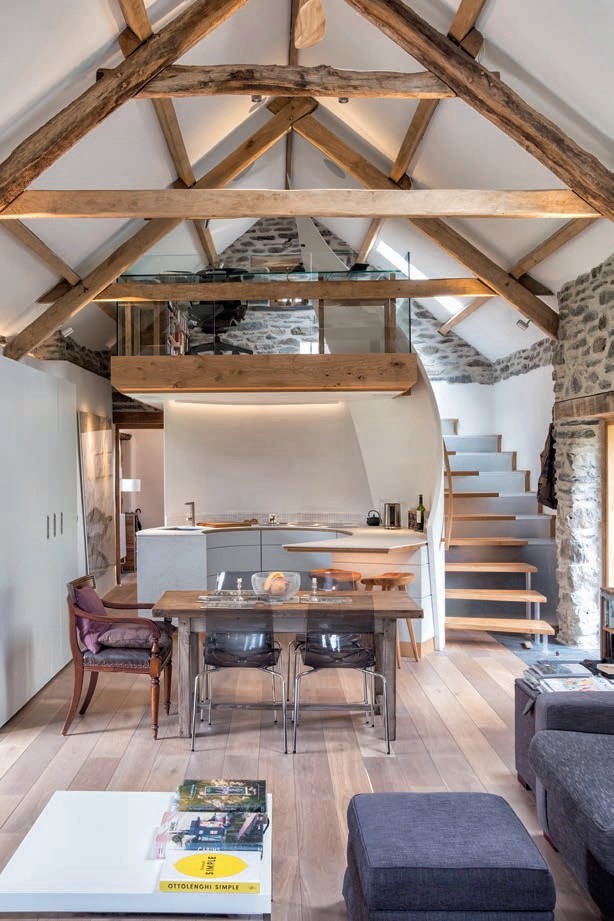
ANTHONY HARRISON
A barn conversion can present the opportunity to create a spectacular home with lots of character and large, airy spaces. But remember that these are non-standard buildings in locations that often are not adapted for convenient living and typically have a long history of agricultural use, abuse and neglect. Careful selection and assessment are essential before committing to a project, so over the course of this feature I’m breaking down the key considerations when checking if a barn conversion is viable.
Listed buildings
A fundamental consideration will be whether the barn is listed. If it is there will be considerable restrictions on how you can alter or adapt it for conversion into living accommodation. Usually the biggest issues with listed barns are the potential for new window openings, which tend to be very limited to start with. Another is the ability to extend the building to provide extra, or more flexible, space.
There are three grades of listing: I, II* and II. The type will have an impact on what you will be allowed to do to the structure. A grade I listed barn will never be given consent for conversion; grade II* would have limited potential and severe restrictions; grade II listed barns are often converted, but potential will depend greatly on the nature of the building, why it is listed, its condition and past alterations.