THE PROG INTERVIEW EDGAR BROUGHTON
Every month we get inside the mind of one of the biggest names in music. This issue it’s Edgar Broughton. Leader of his titular band, Broughton’s musical career began in earnest in the late 1960s when The Edgar Broughton Blues Band swapped blues for the emerging psychedelic sounds of the age, setting them on a more progressive path than first intended. Although the band’s initial phase came to an end in the early 80s, the multi-instrumentalist and vocalist has released a handful of solo albums, including his latest, Break The Dark, which sees him reuniting with members of the EBB’s alumni. Here, he discusses his former band’s heyday, making a “Sunday afternoon” album, and reveals why he thinks politics has a place in music.
Words: Rob Hughes
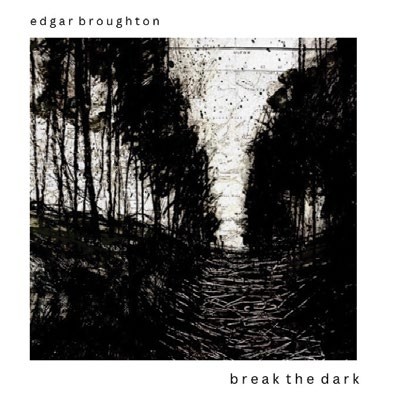
New album Break The Dark.
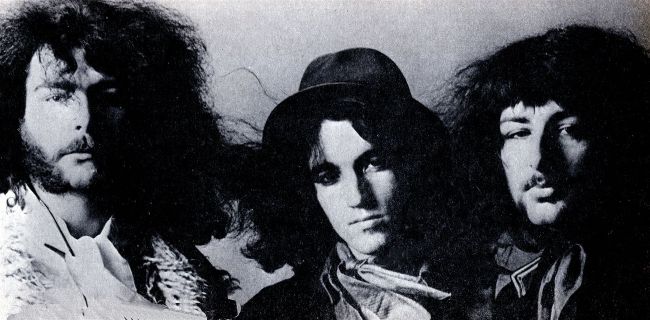
The Edgar Broughton Band circa 1970.
GAB ARCHIVE/REDFERNS/GETTY IMAGES
Founded in Warwick in 1968, the Edgar Broughton Band came to embody a distinct facet of the British counterculture. Their intense songs often dealt in socio-political issues, earning them a reputation as a confrontational bunch with a happy habit of extending the middle finger to authority.
Led by singer/guitarist Rob ‘Edgar’ Broughton, with brother Steve on drums and bassist Arthur Grant, their music was just as uncompromising. Psychedelia, heavy rock, beardy prog and experimental folk were locked in an uneasy embrace, usually crowned by the kind of low vocal rasp that saw Broughton routinely compared to Captain Beefheart.
Signed to Harvest, the progressive arm of EMI, they quickly became known as a ‘people’s band’, playing free festivals and a steady stream of benefit gigs for any number of worthy causes. Arrests, fines and court appearances were not uncommon during the Edgar Broughton Band’s 70s heyday, though nothing appeared to dissuade them from their objectives. Their fanbase only became more committed, while the anthemic Out Demons Out (inspired by The Fugs’ mock exorcism of the Pentagon) sought to unite the disaffected in a way that was both cathartic and convivial.
They issued a string of ambitious studio albums along the way, from 1969’s deeply weird Wasa Wasa to the stringsenhanced sophistication of 1971’s Edgar Broughton Band and on through the more expansive terrain of Oora (1973) and Bandages (1976). The band finally bowed out in 1982 with Superchip, a mostly synth-led concept piece about sinister governmental control.
Broughton spent much of his subsequent time as a youth and community worker in south London, reviving the EBB only occasionally for live gigs. They reformed in earnest in 2006, with Broughton’s son Luke as an extra player, prompting a steady run of shows that lasted another four years.
“Little did [EMI] know that we were paving the way for them having to deal with the Sex Pistols in the future.”