POP ART
THE EARLY 80S WAS A FERTILE, CREATIVE PERIOD IN BOTH POP AND DESIGN, AND THE CHARTS WERE SUDDENLY INUNDATED WITH ARTISTS WHO UNDERSTOOD THE COMBINED POWER OF SOUND AND VISION. WITH OUTRÉ NEW SOUNDS, STYLES AND SLEEVE DESIGNS THAT FUSED THE PAST WITH THE FUTURE, SOMETHING NEW – AND ROMANTIC – WAS BORN…
ANDREW DINELEY
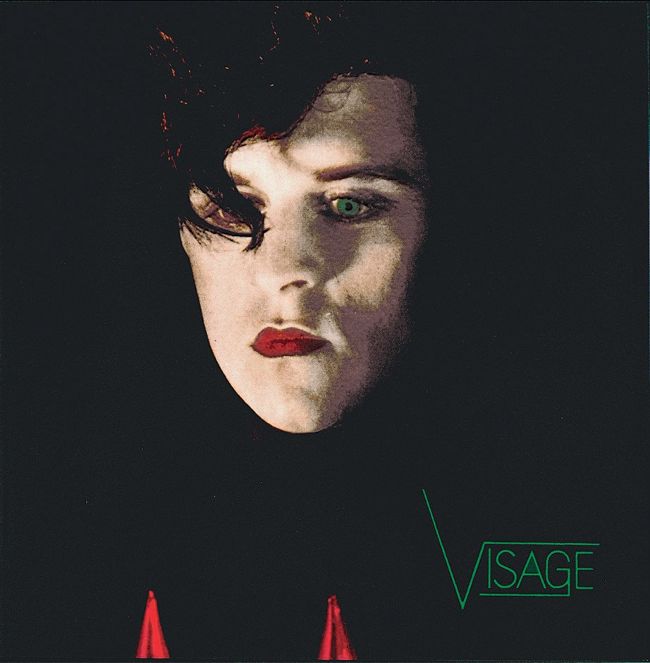
Tar, Visage’s paean to smoking and the band’s sole release on Radar Records, with its image of Steve Strange emerging into the light conveying shades of Expressionist horror
‘New Romanticism’ as a label was never really accepted by any of the artists that rose to fame during the period. Almost everyone felt encumbered by the term – a phrase that came to be used by the media to compartmentalise what was really a self-sufficient, disparate band of talented people. But from pirates to pierrots, from Little Lord Fauntleroy to Little Bo Peep, this colourful clan quickly moved from the underground to mainstream. Many of the architects of this cult with no name used it to launch themselves, others provided the crucial soundtrack, and there were those who used it to establish longer-term careers.
As the 70s moved into the 80s, attitudes were evolving, genders were bending and sounds were shifting… but not much was different in terms of print and design. Graphic design was still pre-computer, and designers had quite a challenge making their work as unique as the artists they packaged. A lot of the pop acts that eventually made it into the mainstream had backgrounds in art and design and many of the sleeve designers of the period were part of the same scene, so the designs that dressed these new sounds often evolved collaboratively. This was a tipping point where, from this moment on, singles would almost always come in a picture sleeve.
PAST AND FUTURE
Photographer Peter Ashworth was in the right place at the right time as Steve Strange went from working in a clothes shop to recording the first Visage single in 1979 and opening the famous Blitz nightclub. “I had been working as a photographer’s assistant in a studio in Cubitts Yard, Covent Garden, which was right next door to PX, the shop that Steve worked in,” explains Ashworth. “I had met him, and Princess Julia, who would go on to appear in the Fade To Grey video, and others by this time and we’d done a number of test shoots. When Steve and I worked together we were respectful of each other, and he liked my results so always gave me as much time as I needed.
“I always shot Polaroids, so all parties were involved in the creative process… I tweaked the lights to get the vibe right while he was tweaking his image, clothing and hair. He would take as long as I did to get the perfect look. For Tar, the first Visage single, we had a simple idea of Steve coming out of the dark, revealing a new style, zipping up his jacket and holding two neon pink cones – it was a new vibe for a new age. An alternative image was used from the same session for the press advert.”
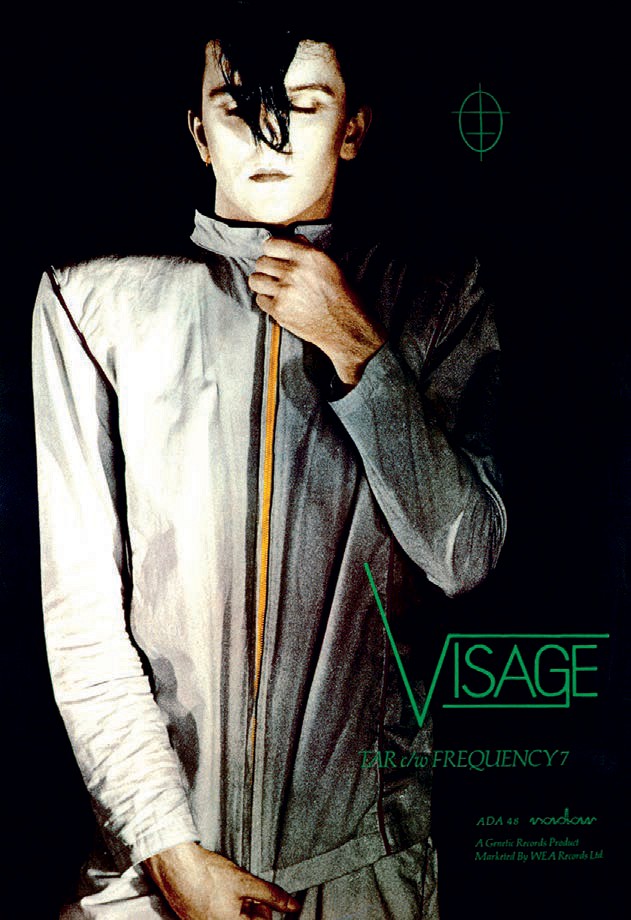
The press shot selected from the Tar shoot. Right; Strange and dance partner Vivienne Lynn on the sleeve of the album
The sleeve of the debut, self-titled Visage album is also based on an Ashworth photograph. It beautifully blended the traditional with the modern to project a true evocation of New Romanticism. “On the sleeve, Steve was dancing with Vivienne Lynn in front of a silhouetted three-piece jazz band actually outside Blitz,” details Ashworth. “The two dancers are wearing the latest PX clothing. I was referencing Brassai’s photographs of the demi-monde in 1920s Paris.”