Interface
The Bitwig round table: a decade of innovation
In 2014, a DAW landed that not only rattled the industry’s big players, but brought a workflow that encouraged experimentation. To celebrate ten years of Bitwig Studio, we brought its key figures around a table to reflect on a journey that’s still – they promise – just starting…
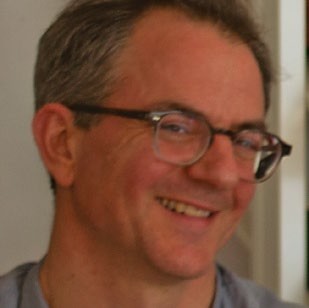
Placidus Schelbert Director of Bitwig
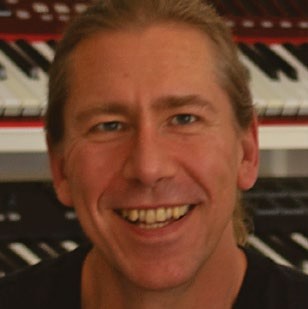
Dom Wilms Head of technical support
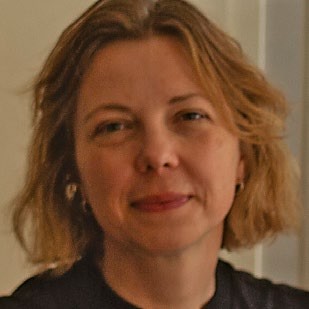
Mea Liedl Head of communications and artist relations
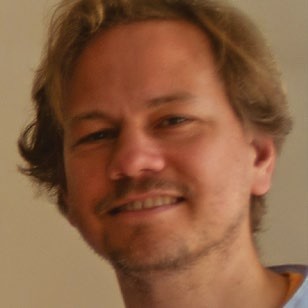
Claes Johanson Co-founder and lead developer
cm: Thank you everyone for joining us today. In 2024, Bitwig Studio marks its first decade. Can you take us back even further, to 2009, and the formation of the company. What motivated you to start it?
Claes Johanson: “We were a group of musicians, and we had a lot of ideas about how you should be able to make music with software. There seemed quite a division between the tools available back then. Some DAWs were more open than others. I personally got very interested in the idea of intertwining the sequencer and the tone generator, making them talk more to each other. That came quite early for us. We had a lot of ideas at that time, we started working on ‘the product’ which, of course, became Bitwig Studio. Placidus [Bitwig’s director] joined us very early, after just one year.” Placidus Schelbert: “My role was more on the commercial side initially, but then I grew into the role of leading the company in terms of strategy, growth and company building, whereas Claes, Dom and Mea are strongly focused on the product. Aside from Claes, two other founders of the company still work at Bitwig: Nicholas Allen and Volker Schumacher. They’re all software developers at heart, so that makes us different from other companies.”
Claes: “Yes, we’re led by developers, with Placidus as Mr Business!”
Placidus: “The team and the collaboration at Bitwig was and is extraordinary. Everyone listens really well, and there’s input from people who just joined the company – and there’s also input from different divisions inside the company and a lot of cross-talk. We’re now at 30 people, and it still feels very lean. We can move quickly with development and push forward with features. It takes constant effort to maintain this kind of structure and flexibility and the fast pace it enables us to achieve.”
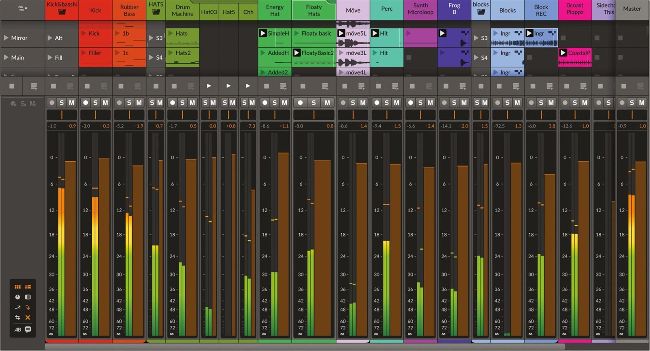
The Mixer Panel view allows users a traditional mixing layout option
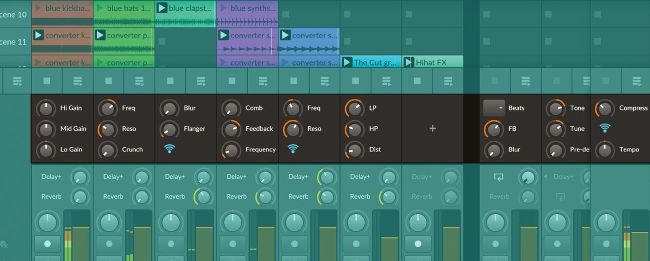
Over, v5.3’s “boutique clipper”, and Track Remotes which let you place parameter controls from different tracks at will
cm: There’ve been quite a few major evolutions of Bitwig Studio over the decade, but what do you consider to be the biggest milestones in terms of additions and upgrades over the years that have helped shape Bitwig Studio into the beast that it now is?
Mea Liedl: “I think for all of us, a huge milestone was in 2014 when we launched version 1. Dom and I were part of the team at that point. We remember that time clearly.” Dom Wilms : “There had already been so much work going into it for years before, we’d been showing it around at trade shows and those kinds of things. The first release was a major milestone – it was incredible seeing it come to life and people experiencing it for the first time. The second major milestone I guess was the modulation system that was rolled out with version 2 in 2017. This already was showing the direction of travel that Claes mentioned. The main motivation to make Bitwig Studio was that it can be a sequencer you can play. Other DAWs started out a little more like tape machines, with third party plugins bolted on. Our modulation system showed everyone how we thought it should work. Next came The Grid, another major milestone. The whole of the software is modular at its core, but this was the first time we opened that up to the people.” Claes: “I think we used modularity in an interesting way to also make things not just more capable but also simpler. You can shave off a lot of stuff that you don’t necessarily need. We pursued the path of modularity in full force with version 2. I think that was the key point where we distinguished ourselves as a different product to the other DAWs out there. We went down our own path.”