perfect piano
Playing and production
Now you’ve decided on a piano type, it’s time to get some tracks down in the DAW. From chords to production tips, we’ve got all notes covered
The one element that sets the piano apart from most musical instruments is its phenomenal range. The 88 notes of an acoustic piano exceeds seven octaves, without the need to press octave shift buttons. This can present some interesting musical dilemmas, depending on your production style.
There are two questions to address in this production context; what style of music you’re working in, and which other instruments will be part of your track. The answer to the first question may well inform the answer to the second, but either way, what you’re trying to decide is how much frequency content to include within your mix, which might also influence the sort of piano playing you record with your DAW.
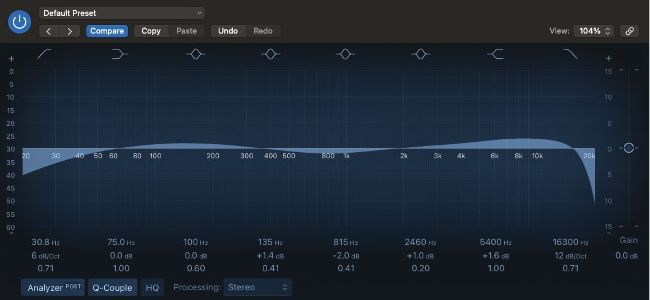
Figure 1: The full-range of our piano in an ambient EQ setting
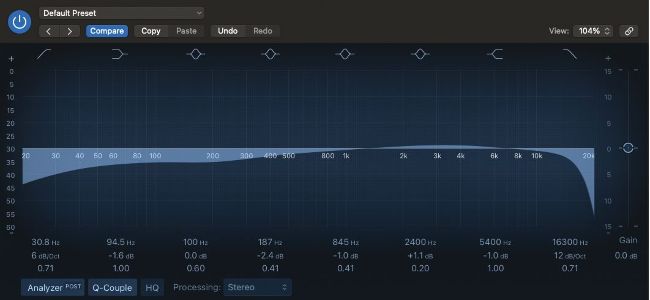
Figure 2: Cut out those low-end frequencies to keep your mix succinct in the lower echelons
Classical, ambient and soundtrack piano
While the classical genre can normally be regarded as more complex than commercial music, at least musically speaking, it offers a simpler prospect in terms of a mix. As many pseudo classical works exploit the entire range of the piano, there are likely to be less accompanying instruments in your mix. This means that any EQ settings that you apply, should amplify frequencies within the piano sound that you like, or want to highlight. It’s similar within the ambient or soundtrack genres, where the instrument’s sonic identity can often be left to its own devices.
By way of example, (Fig. 1) an EQ curve might seek to increase lower frequencies slightly, in order to bolster the bottom end of a mix, should there not be another individual bass instrument in play. By a similar token, lifting the upper frequency band will balance the instrument, while a slight dip in the mid-frequency band removes a subtle amount of content, creating a more contemporary and polished overall sound.
It would be quite usual, in a commercial setting, to use a synth bass or similar alongside the piano, in which case you may choose to dip the low end, so that the piano’s bass notes and your bass instrument are not competing.