the expert bake.
Technical bake special Yeasted bread
Foolproof recipes for four classic breads – from a sandwich tin to focaccia – with practical tips and dough know-how from the experts at Bread Ahead
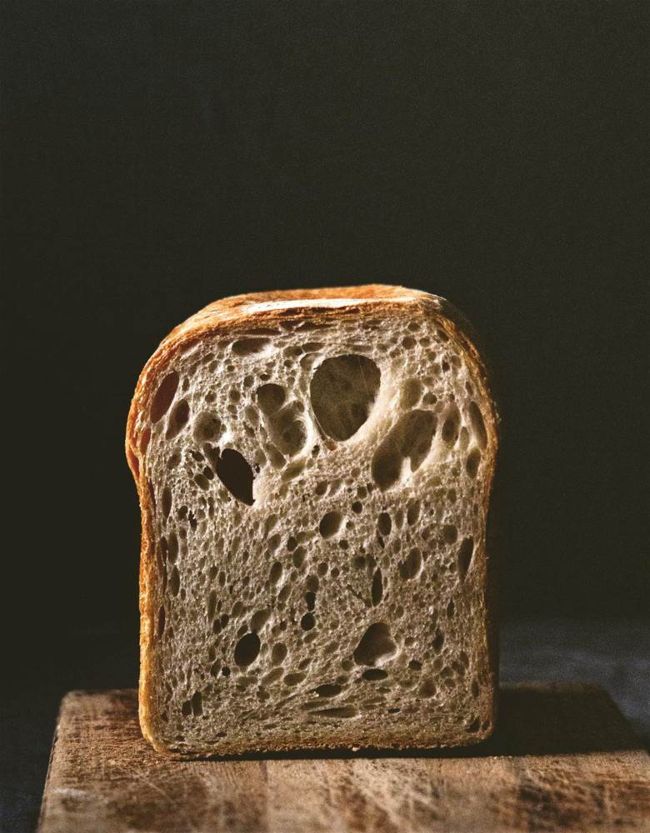
White sandwich tin loaf
RECIPES: MATTHEW JONES. PHOTOGRAPHS: MATT RUSSELL AND IONA KONG. FOOD STYLING: KITTY COLES. STYLING: JENNIFER KAY
8 golden rules of bread-making
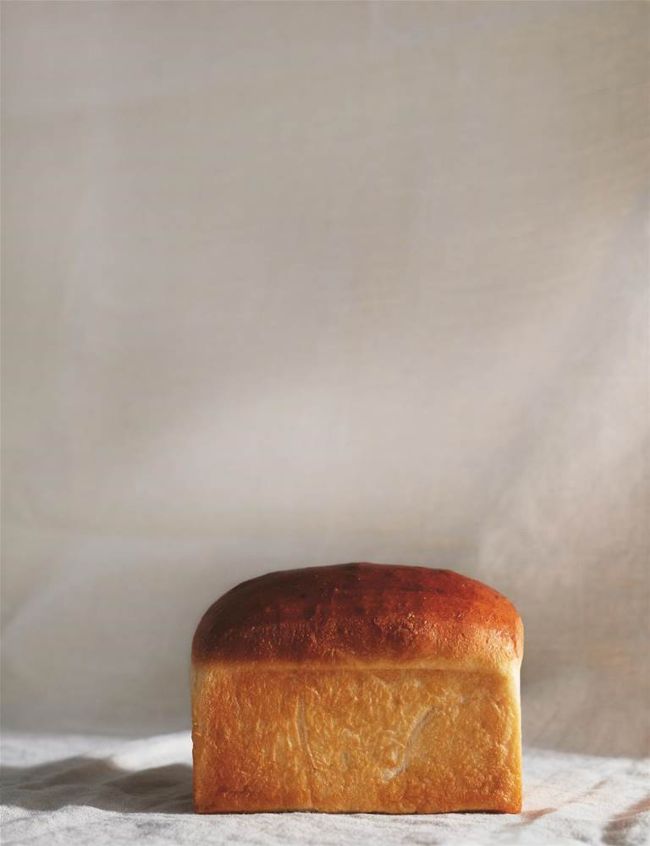
Brioche loaf
1 Water Good, honest tap water is the way to go, usually slightly warm (about 24°C).
2 Flour Consistency is everything. It’s beneficial to get to know a flour and stick to it. Flours do have a personality, so the more time you spend with them the better the relationship will be. For more on flour, see p110.
3 Salt Use unrefined, additive-free sea salt – it has all the minerals needed for your bread. If you’re using salt for flavour or texture, for example with a focaccia, use sea salt flakes such as Maldon for the best finish.
4 Dairy Use full fat for flavour, texture and a great eating experience. In most cases, you can replace cow’s milk with plant-based alternatives.
5 Why weigh in grams? Accuracy is key in bread-making. For consistent results, measure the ingredients (liquids too) in grams. For small quantities (under 20g) it’s worth investing in a set of accurate digital or micro scales. See p110 for our recommended essential kit.
6 Why use fresh yeast? It has a slower activation rate than dried yeast, making it ideal for longer fermentation methods. Many bakers also find the flavour is better in recipes with a short rising time (dried yeast takes longer to develop flavour). If you can’t find fresh (try the bakery section of large supermarkets or ocado.com) you’ll be fine with dried, which is readily available and easier to store. For more on yeast, see p108.
7 Why use a pre-ferment? It allows the bread to develop more complex flavour and a chewier texture. A slow, overnight rise can do this too.
8 Why spray the oven with water? It creates a steamy environment – as does adding a tray of water to the base of the oven. This keeps the dough surface moist and flexible, and adds ‘oven spring’ (meaning the dough rises better in the oven). →
A BIT ABOUT MATTHEW JONES
After years working as a chef and baker, Matthew opened Bread Ahead in 2013 in London’s Borough Market. It soon became known for its patisserie (those doughnuts...) and sourdough. Now there’s the acclaimed Bread Ahead Bakery School too, and five bakery-cafés across
London. breadahead.com
WANT TO TRY THE BREAD AHEAD BAKERY SCHOOL? Turn to p111 to save 25% on an Unlimited membership –a whole year of online baking courses
White sandwich tin loaf
Makes 1 medium loaf (10 slices) Hands-on time 25 min, plus 4-10 hours resting/proving and 24-48 hours chilling Oven time 30 min Specialist kit 900g loaf tin Useful to have lame; spray bottle filled with water