Ready to raise your cooking game? In this series we equip you with the science to ensure success every time
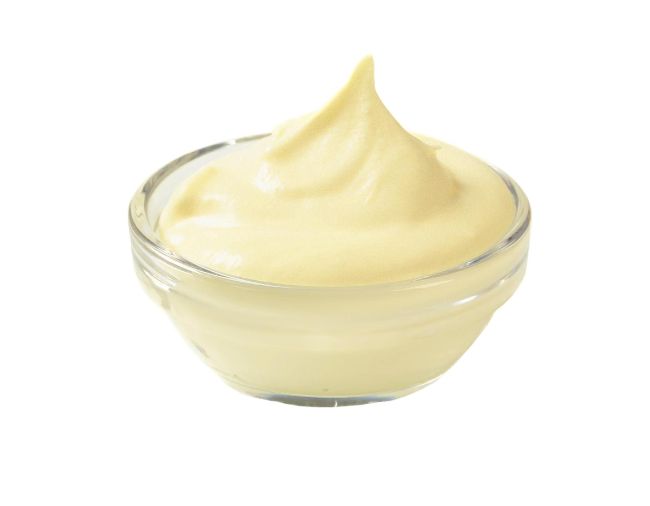
Aioli, alioli, garlic mayo... what’s the difference?
“In French it’s called aioli, in Spanish alioli and in Catalan allioli — from the words for garlic (ail/ajo/all) and the root word for oil (oli) — but often, these days, it’s just another way of saying garlic mayonnaise. To get technical, though, mayonnaise and aioli are actually different sauces.”
The Hollweg recipes
Makes 200-250ml
Hands-on time 10-20 min
PURIST AIOLI vg
Put a large pestle and mortar on a tea towel on the work surface to stop it moving. Put 8 chopped garlic cloves in the mortar and bash to a purée. Put 200ml fruity extra-virgin olive oil in a jug and add a few drops to the mortar, stirring vigorously with the pestle, until incorporated. Keep adding the oil, a drop or two at a time, stirring hard. Eventually, the sauce will start to thicken. Keep adding the oil in this way, until it has all been incorporated – it could take 20 minutes. Season with a good pinch of sea salt and the juice of ½ lemon (some purists will frown) and beat in well.
Per tbsp 104kcals, 11.3g fat (1.6g saturated), 0.2g protein, 0.3g carbs (0.1g sugars), 0.2g salt, 0.1g fibre
EGG-BASED AIOLI (AKA GARLIC MAYONNAISE) v
Put a bowl on a tea towel on the work surface to stop it moving. Put 2-3 crushed garlic cloves (or more to taste) in a bowl with 1 tsp dijon mustard and 2 egg yolks, then whisk until combined. Put 150ml sunflower oil in a jug and add a few drops to the bowl, whisking until fully incorporated. Repeat, a few drops at a time, whisking, until the sauce has thickened – you’ll feel its weight on the whisk. Now you can add the oil in a thin stream, whisking hard to incorporate it. Whisk in 50ml extra-virgin olive oil in the same way, then season with salt and add the juice of about ½ lemon or more to taste.
Per tbsp 97kcals, 10.6g fat (1.4g saturated), 0.5g protein, 0.1g carbs (0.1g sugars), 0.2g salt, trace fibre