Behind the lens
PHILLIP PRODGER The curator, art historian and author on photo portraits and their takers
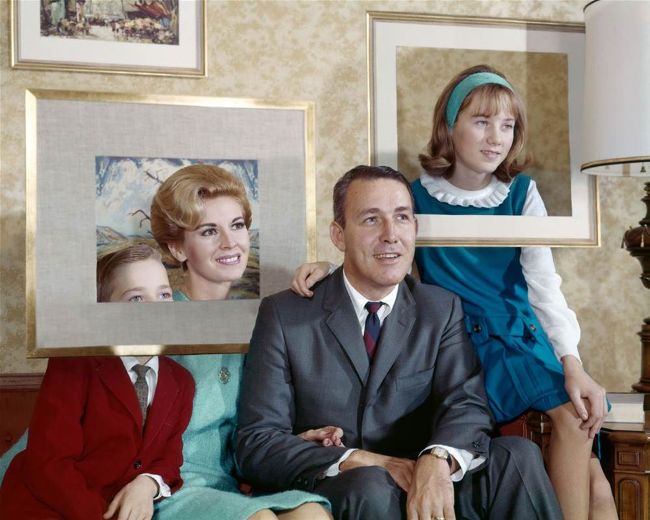
Weronika Gesicka, ‘Untitled #32’, 2016, from the Traces series.
Weronika Gęsicka and Jednostka Gallery
Y our new book Face Time looks at the history of portraits. Why has the portrait endured, and proven so popular?
When I started writing the book, and when I started working at the National Portrait Gallery in London, I didn’t realise quite how central and captivating portraiture was. It hits on something fundamental about human character and how we interact. The reason portraiture continues to endure for photographers is that it hits on some of the biggest questions a photographer can ever engage with. There’s no doubt that people like Marilyn Monroe and Barack Obama have their own presence and character. But I believe every human being has a special essence, and a photographer can excavate that.
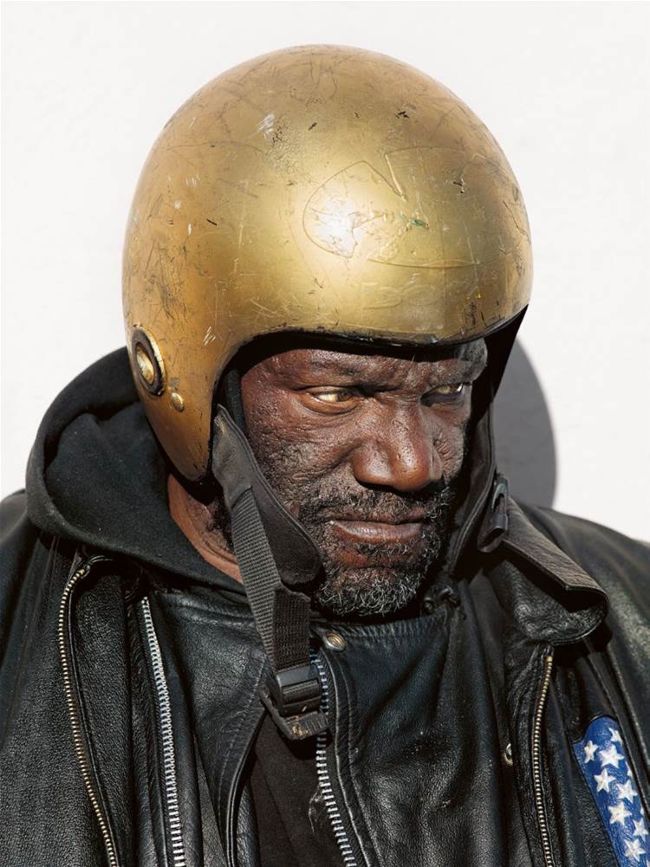
Katy Grannan, ‘Anonymous’, Oakland, California, 2011.
Katy Grannan; courtesy Fraenkel Gallery, San Francisco
That’s an extraordinary thing, when you think of the billions of people who are on this planet. A photographer can bring them to life and show what’s special about them, even people you’ve never heard of.