Photo Answers
Baffled by bokeh? Discombobulated by depth of field? Send your technique and camera questions to digitalcamera@futurenet.com
Andrew James
Andrew is a highly experienced writer and photographer – if you have a problem, he is here to help.
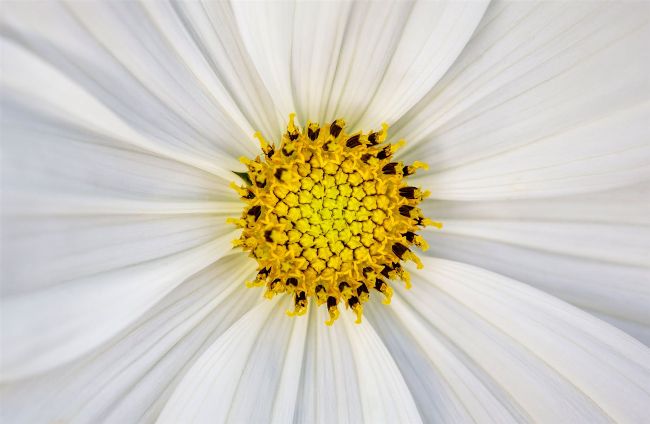
This shot of a white flower needed 2/3 negative exposure compensation to keep the subtle details in the light petals.
Andrew James
Floral exposure
Q I struggle with exposure in my flower shots. Why will a single session will give me images that are both too dark and too light?
Sarah Franks
A When it comes to floral photography, getting the exposure right consistently can be quite a battle. I’m not sure how you’re shooting but, if you are using an auto exposure mode, you are going to run into the problem you’ve described.
Even on a perfect bright but overcast day, the colour range of flowers you are shooting, their position relative to the available light and how reflective they are, will all make a difference and cause some exposure issues. Work in either full manual or Aperture Priority; if you’re using a DSLR, use Live View on the rear screen for a better idea of how exposure is working.
If you’re shooting in Aperture Priority, the exposure given after you’ve chosen the aperture may still need adjustment. Use exposure compensation to either lighten or darken the image as appropriate. Using Live View, or an electronic viewfinder on a mirrorless camera, you can judge the amount of compensation needed by eye.
At this point, as long as you’re not brightening to the point of detail blow-out, it’s a creative choice on the look that you want. Red, yellow and white flowers are prone to overexposure, so turn on your highlight warning as an extra visual aid. I don’t believe it makes much difference which metering mode you choose, as long as you are watching the results and altering the exposure to suit your creative vision but, as a rule, I use either Matrix/Evaluative or Spot Metering for floral photography.