THE SCIENCE BEHIND THE HEADLINES
REALITY CHECK
REVIEW Is infidelity on the rise?
Tech is making it easier to cheat, but researchers can’t say for certain if more of us are being unfaithful because so few people can agree on a definition of infidelity
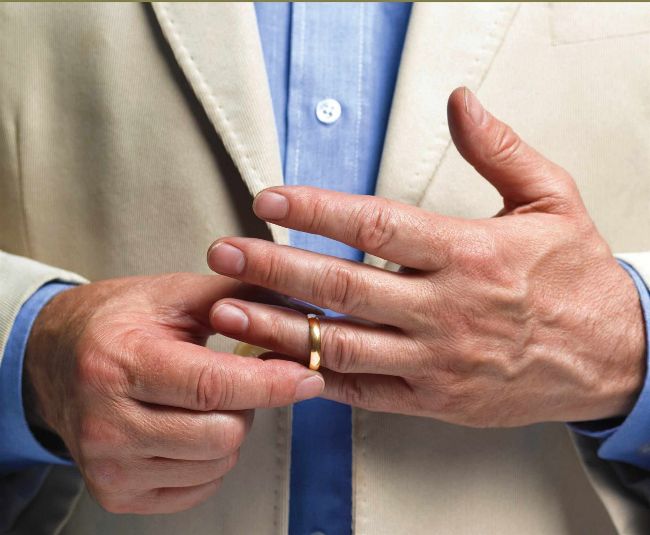
According to figures, infidelity is widespread, but not everyone views cheating in the same way
Nobody likes to be cheated on. When researchers ask divorcees about their reasons for breaking up, infidelity always comes out on top. Whether married or not, when someone is unfaithful, break-up often ensues – and the experience can be especially upsetting for the betrayed partner.
A recent study looking at more than 500,000 case studies carried out at Stony Brook University, in New York, found that infidelity is surprisingly common and takes many subtle forms. And perhaps unsurprisingly, this can have a significant effect on our mental health. But is cheating on the rise?
Other studies show that being betrayed can increase a person’s risk of becoming depressed, being diagnosed with clinical anxiety and even suffering post-traumatic stress disorder (PTSD). Infidelity in relationships also raises the risk of domestic violence. Psychologists have characterised the experience as a form of ‘attachment injury’, much like the distress a child experiences when they learn they can’t trust the person who looks after them.