EXPLAINER
THE EXPLAINER THE AMAZON
THE WORLD’S BIGGEST, MOST BEAUTIFUL, AND MOST BIODIVERSE RAINFOREST
GETTY IMAGES X3
WHAT IS IT?
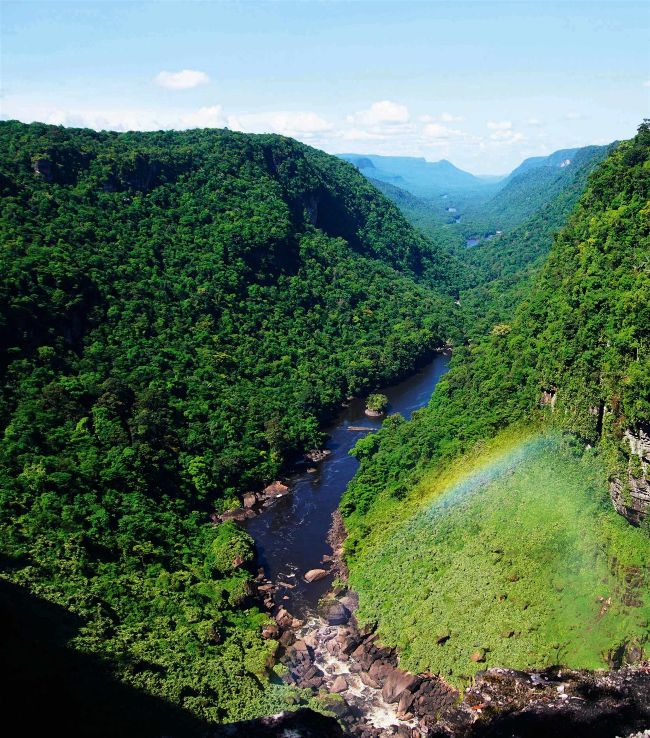
The Amazon rainforest is the largest remaining tropical rainforest in the world. It’s also the most biodiverse. One in ten of all known species are found here, including many that are endangered and found nowhere else. It’s big and it’s beautiful, and it’s vitally important, not least because it stores vast amounts of carbon, influences rainfall patterns across South America, and affects climate on a much broader scale. In the last 40 years, around a fifth of the rainforest has been felled or burned to make way for cattle ranches and other activities. Now scientists fear it’s on the verge of irreparable damage. We lose it at our peril. We need to act now to save one of the world’s last true wonders.
WHO LIVES THERE?
People have been living in the Amazon for at least 10,000 years. Ancient settlers cultivated native trees such as the Brazil nut, maripa palm, and cocoa tree, and in time this influenced the rainforest’s makeup. The southwestern section, for example, is rich in these species.
When the first Europeans arrived in South America in the late 15th Century, there were about 6.8 million indigenous people living there. The colonists carried infectious diseases, such as malaria and influenza, that killed millions of Amazonians. Thousands more were enslaved or displaced.
Today, around 30 million people live in the Amazon region, of which 2.7 million are indigenous, representing more than 350 different ethnic groups. Most live in indigenous reserves known as ‘resguardos’ where their lifestyles incorporate a mix of traditional and Western elements. Around 60 tribes, however, live in voluntary isolation, and stick largely to the tried and tested ways of their ancestors.