FEVER PITCH
Nothing speaks to fandom like Hornby’s 1992 classic, published when Highbury was crumbling and football literature amounted to little more than your matchday programme. Thirty years later, FFT grabs lunch with the author himself to chew the pasta over Arsenal, Fever Pitch’s legacy, the wider game – and just a touch more Arsenal…
Words Bill Borrows
“PATRICK VIEIRA TOLD MY SON EVERY ARSENAL PLAYER WAS GIVEN THE BOOK WHEN THEY SIGNED”
“I FELL IN LOVE WITH FOOTBALL AS I WAS LATER TO FALL IN LOVE WITH WOMEN: SUDDENLY, INEXPLICABLY, UNCRITICALLY, GIVING NO THOUGHT TO THE PAIN OR DISRUPTION IT WOULD BRING WITH IT”
NICK HORNBY, FEVER PITCH
“I sometimes wonder if [Jurassic Park author] Michael Crichton got fed up talking about dinosaurs,” muses Nick Hornby as we wait for a menu to appear at Demartino, the busy Italian restaurant in Fitzrovia where FFT has arranged to meet.
“He had a really good idea for a book, then wrote it and ended up talking about it for the next 15 years.”
There’s a pregnant pause while he takes a sip of water. The audible gulp is not his. “The thing I had to talk about and keep talking about is the centre of my life in so many ways, what with the kids and the friendships that get shaped around football, so I’m very happy to keep talking about it. I tend to have friends who read, like movies, like music and also support Arsenal. Over the years, you can collect enough people like that to sustain your whole social life. I quite like talking about the football of the past too.” Well, that’s certainly a relief.
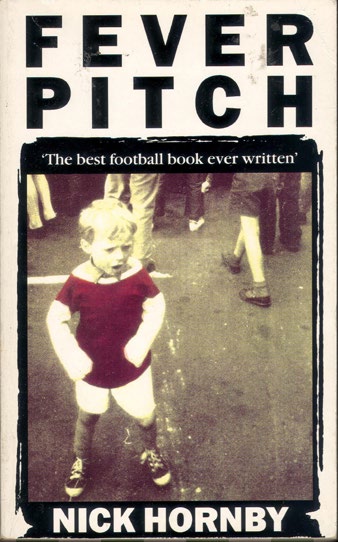
We’re here because Fever Pitch, his autobiographical memoir, is 30 years old this summer and was a landmark book in so many ways. It was published three weeks after the Premier League came into being in 1992; turned into a film from his own adaptation starring Colin Firth five years later (and once again, more loosely, as an American rom-com by the Farrelly brothers in 2005); sold over a million copies worldwide; and is widely recognised as one of the most important books written about football (or indeed sport) and its place in the life of a fan. “It’s something that it’s stayed in print”, Hornby will subsequently note modestly.
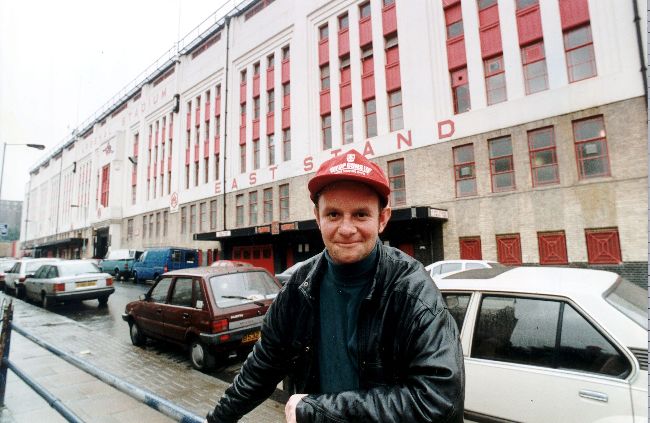
“Lads, I’ve invented the football literature genre”
Fever Pitch made his name, of course – among a multitude of other things, he has gone on to pen novels including High Fidelity and About A Boy (both also films), and had an Oscar nomination for his screenplay of An Education – but, more than that, it helped to rescue the reputation of the reviled and traduced football fan of tabloid lore. Not that he gets much credit for it – quite the reverse in some quarters. We’ll get to that presently.