Interview
Jon Hopkins
Electronic music doyen Jon Hopkins deletes the beats and downs tempo for career-best new album, Music For Psychedelic Therapy. Hamish Mackintosh happily takes the medicine
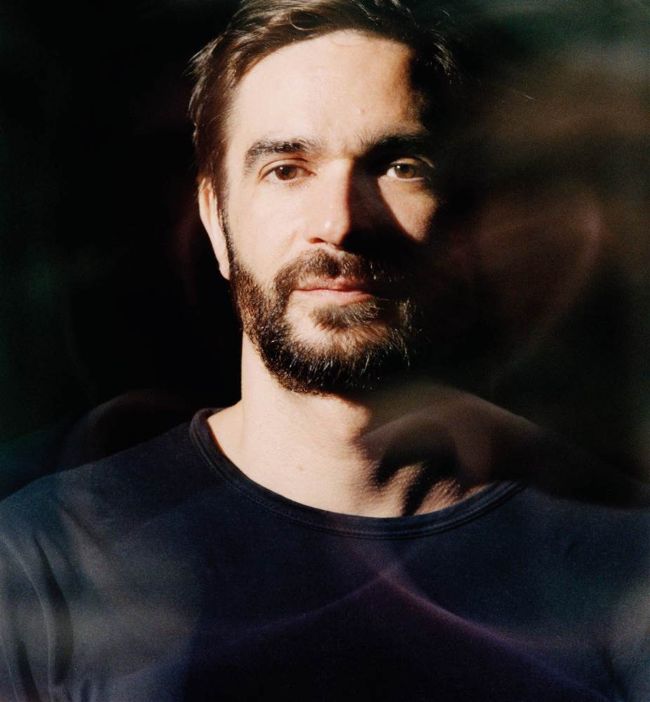
© Will Ireland
This hack was recovering in hospital recently and literally the only music I could face listening to was an advance copy of Jon Hopkins’ transcendent Music For Psychedelic Therapy.Given a full 10/10 in last month’s FM, the new album sees Hopkins skip the dancefloor grooves and hypnotic synths of Immunity and Singularity to take himself, and us, on a personal, musical and spiritual voyage of discovery taking in Ecuadorian caves, ayahuasca and meditation before becoming fully realised in lockdown sessions at Hopkins’ new studio in London. Album closer (and first track released from the album) Sit Around The Fire, has Jon Hopkins collaborate with East Forest to provide a sumptuous ambient backdrop atop which sit the wise words of the late, much-lamented Ram Dass, and is eight minutes of music that should be made available on prescription. For once, writing verbal descriptions of music feels inadequate. The label’s suggestion that the album, “sounds best played in one sitting, lying down in the dark,” is hard to argue with. Music For Psychedelic Therapy… essential.
Sit Around The Fire soundtracks the wisdom of long-time hero, Ram Dass…
“It’s been really amazing to release that track. The names kind of give it away, but the last two albums [Singularity and Immunity] I always saw as being related. So, I think doing a third album in that vein wasn’t appealing although I obviously didn’t realise at the time that it would end up going quite so far in a different direction.”
Ecuador is about as far away as you can get… were any of the ideas for the tracks written in situ whilst you were over there?
“Nothing happened over there apart from me experiencing the place. I’ve said this in interviews before so I hope it’s not boring for people to hear but I believe in writing using the subconscious, so I think, essentially, you just have to have a lot of experiences… in my case, as many cosmic and mystical experiences as possible. You don’t have to actually worry about capturing or remembering them in any way as it will all go in. Then, when you start writing, it’ll be informed by that whether you like it or not. It doesn’t just have to be cosmic or mystical, it will absorb your relationship experiences, your break-ups. Everything you’ve been through and everything that’s going on in the world is all going in there. The Ecuador piece itself, which is actually one piece of music in three chapters but it’s very clear that it’s meant to be listened to in one go… That’s an example of a piece that does have a specific narrative based on an experience I had. You can hear it, the first chapter is waking up in the cave, listening to the water pouring in from the safety of the tent and then the middle chapter is the meditation deep underground, and the third chapter is emerging back into the forest. I took a little Bose Soundlink speaker with me and played a couple of drone sounds through it. So, as well as the field recordings that my friend Mendel Kaelen (founder of wavepaths.com) made while we were there, there’s also that one drone sound, which is the first sound you hear in that track… it’s like a crystal bowl that I’d recorded. So, you’re hearing that through the reverb of the caves as the Bose speaker was 50 metres away and we’d set up the field recording mics. That one drone note was the trigger for the rest of the track.”