In The Studio With | Fraser T. Smith
Fraser T. Smith
Award-winning hit maker Fraser T. Smith is famed for his songwriting/production work with Adele and Stormzy, but now the shoe is on the other foot. Danny Turner discusses his hugely ambitious debut solo project, Future Utopia
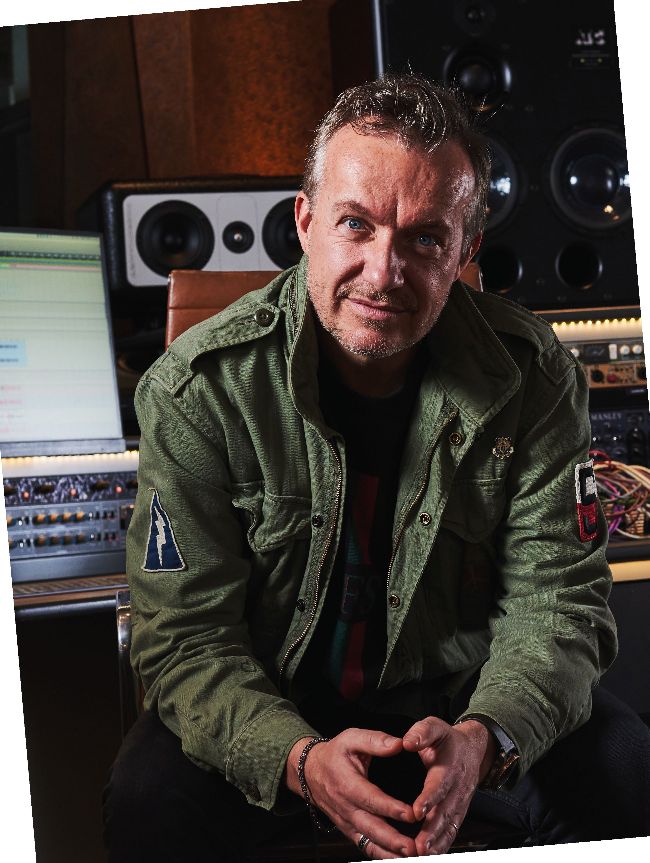
Fraser T. Smith has been a force ubiquitous to the UK music scene, contributing his talents to 18 number one albums and picking up Grammy and Ivor Novello Awards. Over his 25-year career, he’s worked with Adele, Sam Smith, Gorillaz and Florence and the Machine, and helped shape the sound of UK rap and grime, producing Stormzy’s debut album Gang Signs & Prayer. After spending decades fulfilling the potential of others, Smith has now turned the tables on himself with his debut Future Utopia album 12 Questions. Touching on subject matters such as inequality, technology, gang violence and the environment, the remarkable 51-minute concept album reflects on Smith’s relationship with modern society and what he calls his ‘imposter syndrome’. Eliciting contributions from a litany of poets, artists, visionaries and session players including former Black Panther Albert Woodfox, rappers Kano, Stormzy and Dave, and heavyweight actor Idris Elba, 12 Questions is truly an album for our age.
Was there any one person that was particularly influential to you becoming a producer?
“I came through as a musician… I started doing sessions as a guitar player in my mid-20s, worked out what this mythical word ‘producer’ meant and thought that was my true calling. I worked on pop sessions with people like Rick Wakeman where I was able to watch engineers and real producers, then studied the greats like George Martin and Phil Spector. Rick Rubin is probably my biggest influence in terms of his diversity across genres.”
When you go from songwriting with Adele to producing a hip-hop/grime artist like Stormzy, does it require a process of adaptation?
“I grew up listening to everything from Run DMC to Public Enemy, Carole King, Joy Division, Frank Zappa and Steely Dan. Great music is great music and when I’m fortunate enough to work with great artists we’re all speaking the same language. I remember when Kano first walked into the studio, our backgrounds were radically different but I showed him some sounds from the MPC, played a riff on the guitar he liked and suddenly Typical Me was born. The common goal is to create something, so their background doesn’t matter to me.”