14 mistakes to avoid when starting your self-build
If you’re considering building your own home, pave the way for a successful project by avoiding these common errors
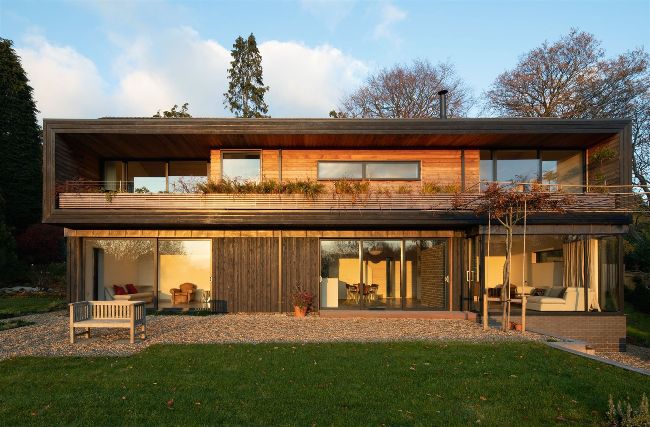
The owners of this self-build house, designed by PAD Studio, avoided any errors along the way by taking their time and researching their options thoroughly at every stage of the process. They oversaw the project on site to ensure they got the finishes they wanted, right down to the finishing of the concrete floors
Designing and building a house from scratch can yield a host of rewards —not only will you (hopefully!) end up with your dream, bespoke home at the end of the journey, but also a huge sense of achievement and a valuable set of lessons to take away from the project, too. Yet, no matter how much you plan and prepare for your project, it’s inevitable that some challenges – big or small – will crop up along the way. This month, we take a closer look at some of the most common mistakes to avoid when starting your self-build, with 14 top tips from experts and people who have been through the self-build process, to help you pave the smoothest path to success.
1 Don’t pay too much for land
If you’ve been planning to self-build for a while, it’s more than likely that you’ve had your eye on the market for months – if not years – in your search for the perfect site. Before taking the plunge and buying a plot, it’s important to do your due diligence to ensure you’re not overpaying.
If you haven’t already, do some research to get an idea of comparable sales in your locality for plots of a similar size. “Take note of factors like existing planning permissions and whether the plot is serviced,” says Sarah Mathieson, managing director at Fleming Homes. “Are essential utilities, such as water and electricity, already in place?”
It’s also worth checking with local experts, such as estate agents, to see if they can offer any additional insight on the value of the plot you’re interested in. “You could also consider employing a land surveyor or valuer to give you an independent appraisal of the land’s worth,” says Ian Armstrong, architect and director at ARCO2.