How the slave trade ended
Why the British Empire stopped these harrowing transatlantic shipments and their human cargo
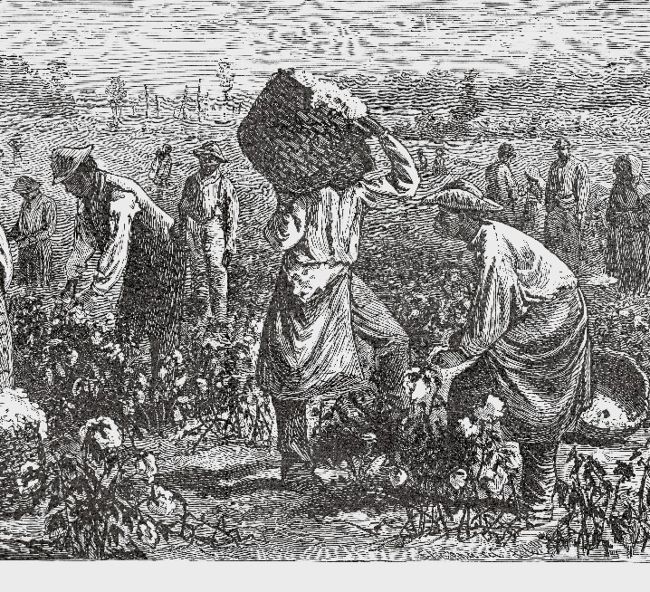
Slaves were often sent to work on tobacco, rice and cotton plantations, picking the luxury goods that they may have been sold for
Beginning in the 1500s, the slave trade saw millions abducted from their homes and shipped against their will to endure a life of manual labour and mistreatment. Mainly targeting Africa, people were transported across the Atlantic to America, where they would be auctioned.
Having been split from their families, people were forced aboard cramped and disease-ridden ships for months. Life at sea involved brutal physical and emotional abuse, with around 15 per cent dying on the journey. Some feared losing their lives on board, while others feared the lives they were sailing towards, and were force fed by crew as they tried to starve themselves. Objectified and sold in a foreign land in exchange for goods such as cotton, sugar, tobacco and ginger, how could such an unjust and profit-driven operation continue for centuries? And how was this entrenched and barbaric system eventually banned?