How our CLIMATE is CHANGING
Here are eight signs of the human impact on Earth’s climate and environment
WORDS SCOTT DUTFIELD
Climate change is described as a large-scale and long-term shift in Earth’s climatic patterns and average temperatures. These shifts have beenexacerbated by human activity. For example, greenhouse gas emissions of carbon dioxide (CO 2 ) reached record highs of 417 parts per million in May 2020. CO 2 naturally soaks up infrared radiation from the Sun and distributes the heat it produces across Earth, acting like a big blanket. This results in the rise of global temperatures, causing widespread alterations in Earth’s climate. Since 1880, Earth’s combined land and ocean temperature has increased by an average rate of 0.08 degrees Celsius each decade.
As a result, countless aspects of our environment and ecosystems are altering. From record-breaking forest fires to unprecedented shifts in weather, there are many warning signs from all corners of our planet that show our world is changing.
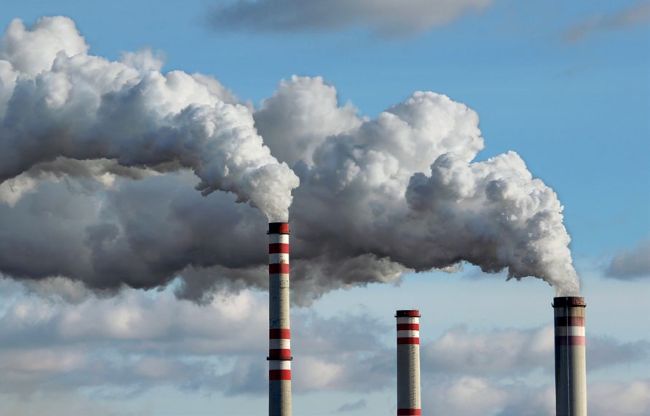
Humans release pollutants into the air from industry
DID YOU KNOW?
Since 1970, the global surface temperature has risen faster than in any other 50-year period over the past 2,000 years
1 ANIMAL MIGRATION
Seasonal cues play a role in informing animals when it’s time to migrate, when to find a partner to mate with and when and where they can find food. The migration and reproduction timelines of several Arctic animals have changed over the years in response to the effects of climate change. Researchers have discovered that eagles in the Arctic have been migrating half a day earlier each year between 1991 and 2019, which has led to a current migration timing that starts two weeks earlier. Similarly, Arctic caribou populations have adapted to the changing seasons and are having their offspring earlier to coincide with their changing environment.