EARTH’S DEFORESTATION PROBLEM
Why the removal of forests in just a handful of places around the world is a serious issue
WORDS SCOTT DUTFIELD
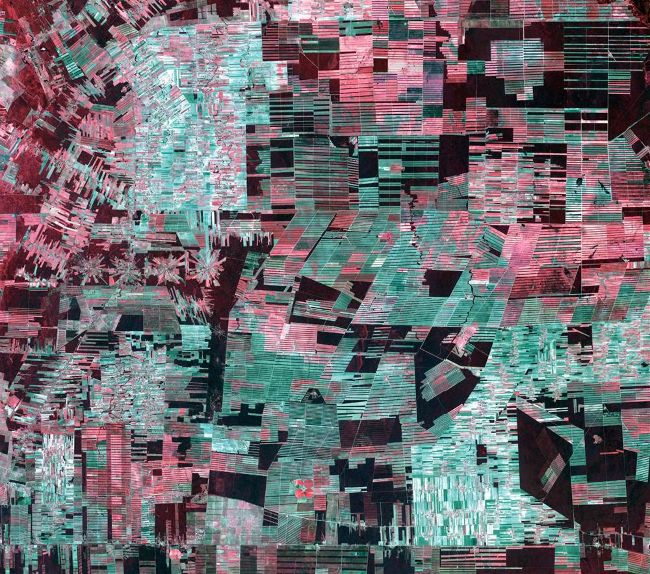
A NASA satellite image showing deforestation in Bolivia
DID YOU KNOW?
There are around 3 trillion trees on Earth
In January 2021, the World Wildlife Fund (WWF) released a report on the state of the world’s deforestation problem, highlighting 24 ‘deforestation fronts’ –places where large areas of forest are under threat. The study concluded that 43 million hectares of forest around the world have been stripped away over the last 13 years. “Nature is in free fall and our climate is changing dangerously. Protecting precious forests like the Amazon is a vital part of the solution to this global crisis,” said Tanya Steele, CEO of WWF UK.
Earth’s forests are our planet’s lungs, inhaling atmospheric carbon dioxide (CO 2 ) and expelling breathable oxygen. This ability to absorb CO 2 means that forests act as carbon sinks, storing CO from the atmosphere and reducing the negative impact the greenhouse gas can have on global warming.
Since the 1960s, Earth’s CO 2 sinks have absorbed around 25 per cent of CO emissions from fossil fuels. The Amazon rainforest alone stores around 1 to 1.2 billion tonnes of CO each year. However, due to growing global populations and an increase in demand for resources such as fuel, food and land, deforestation is wreaking havoc on forests around the world. 12 million hectares of tropical tree cover was lost in 2020 – and that means millions of tonnes more CO 2 heading into our atmosphere as a result. Deforestation not only reduces the number of trees available to absorb CO , but actively releases more carbon into the atmosphere.