HOW RADAR WORKS
Why radio waves enable us to see objects far beyond our human senses
WORDS MARK SMITH
DID YOU KNOW?
Watson-Watt was once caught speeding by a radar gun, joking afterward that he wished he’d never invented it
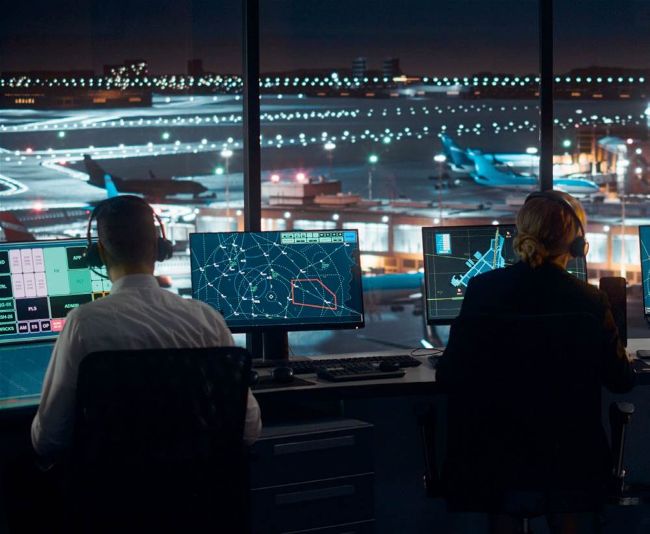
Human operators in air traffic control have to keep a constant eye on their radar screens
© Getty
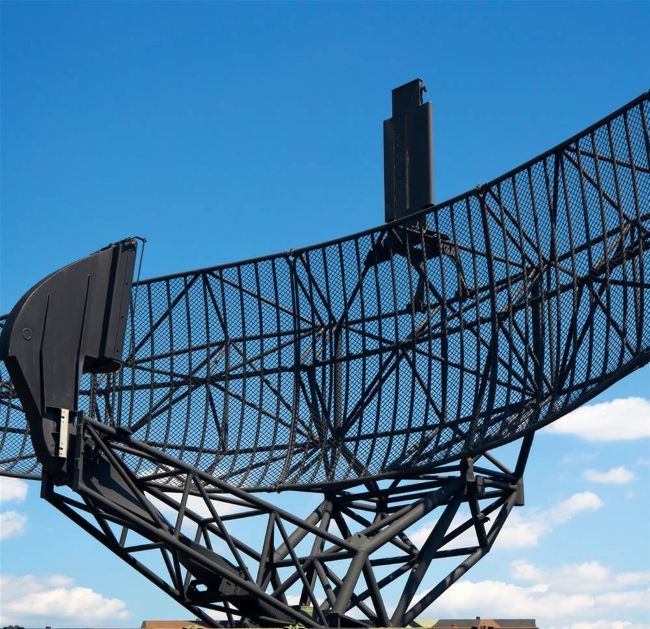
Modern military radar systems are some of the most sophisticated in the world
Did you know?
Radar dishes spin so that they can scan a wider area
Anxiously standing around a giant map in the control room, Royal Air Force (RAF) personnel would spend each day watching and waiting, until eventually the call would come: “Raid incoming. Scramble all squadrons.” History is filled with turning points, and World War II was no different, with many chance events, missed opportunities and strategic blunders contributing to Hitler’s plans for world domination being dashed. But among all the technical breakthroughs that helped Britain and the Allies emerge victorious, it’s impossible to overstate just how important radar was in the Battle of Britain, the air war fought over UK skies in 1940. Hitler had planned to invade, but needed to gain air superiority. He sent wave after wave of his numerically superior Luftwaffe against the UK, with bombers targeting London and RAF air fields. Outgunned and outnumbered, the RAF would need a miracle to win. And that miracle was called radar.