ENVIRONMENT
HOUSEHOLD MINIBEASTS
Meet the creepy critters and pesky pests that find a home in your house
WORDS SCOTT DUTFIELD
DID YOU KNOW? Bed bug eggs can survive at temperatures as low as -25 degrees Celsius
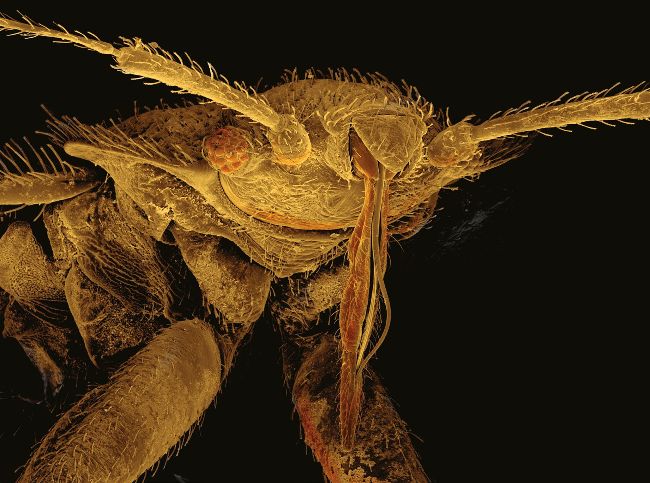
A close up of a bed bug extending its sucking mouthparts, called a labium
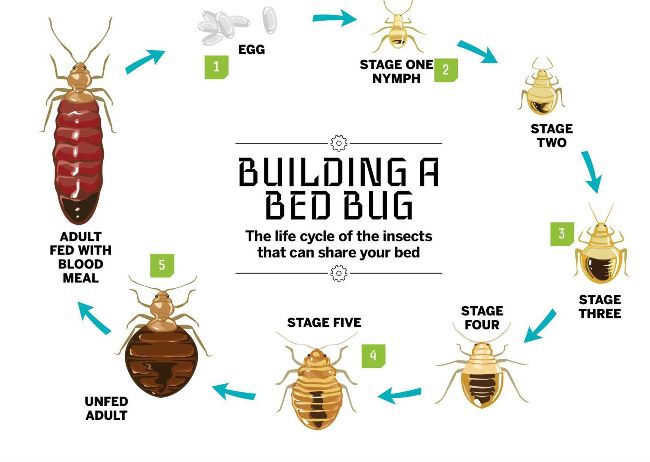
BED BUGS BENEATH THE MATTRESS
In the US alone, one in five people has had to deal with bed bugs or knows someone that has. Two species of bed bug might be living in your home: Cimex lectularius and Cimex hemipterus. Usually found in people’s beds, these blood-sucking parasites get their name because they prefer to feed on their host while they sleep. Studies have shown that these insects are attracted to the warmth, humidity and most importantly the carbon dioxide levels that surround a sleeping host.
Did you know?
Bed bugs can feed for ten minutes before they’re full
It’s a complete myth that the presence of bed bugs is in some way related to the cleanliness of a person’s mattress. Bed bugs aren’t limited to hiding beneath your bed sheets either – they can be found wherever they can find a food source. Due to their nocturnal nature, they prefer to dwell within the cracks and crevices of walls and floors. One surefire way to know when bed bugs are nearby is by recognising their bites. These parasites feed during the night and leave behind distinctive marks that are raised and red on white skin, or purple on darker skin. Luckily, a bed bug bite isn’t known to transmit diseases, but they can cause an allergic reaction in some people.
SOAP-EATING SILVERFISH
Silverfish, sometimes also known as bristletails, are tiny primitive insects that spend their time on the hunt for sugar and starch. The most common silverfish species is Lepisma saccharina, but there are around 250 species of silverfish and bristletails around the world. With a preference for damp areas, silverfish are often found in bathrooms munching on the residue of soap.
Their noticeable silver appearance comes from the tiny scales that cover their bodies. When threatened, these can pop off – for example, when a predator tries to grab them. Silverfish also have impressive sensory abilities. Despite being deaf and limited to only light and dark vision, their antennae have six different types of receptors that help them indicate the size and shape of their surroundings.