ENVIRONMENT
FASCINATING FRUIT
From the stench of the durian to the flavour-changing ability of miracle berries, discover the wonderful world of fruit
WORDS SCOTT DUTFIELD
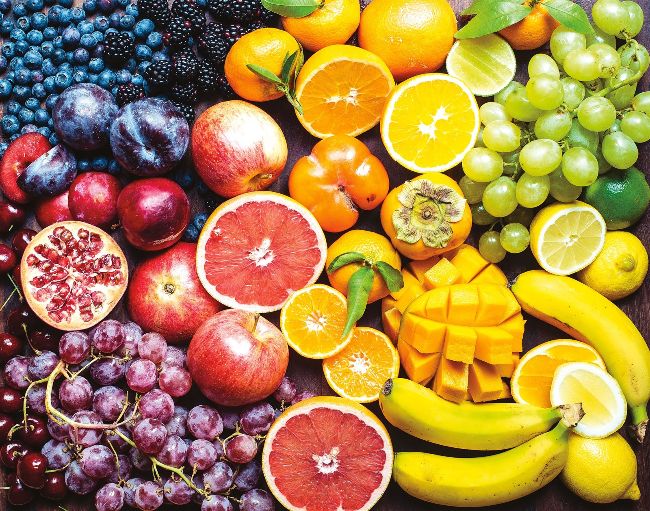
© Getty
DID YOU KNOW?
The smallest known fruit is watermeal, a one-seeded fruit that measures just 0.25 millimetres
The world is full of interesting and delicious fruits. From sour grapes to giant pumpkins, there are around 2,000 different types of fruits growing around the globe. In botanical terms, a fruit is a ripened ovary, a reproductive structure that bears the plant’s ovule, also known as the seeds. Once a plant is pollinated, fruits begin to emerge from the fertilised flower and develop, mature and ripen, by which time the encapsulated seeds are ready for dispersal.
When it comes to identifying fruits, there are a whole host of subcategories they fall into. However, they largely sit within one of three categories: simple, aggregate and multiple. Simple fruits include the majority of fruits, such as stone fruits, pome and berries. Their anatomy is typically divided into three parts; the exocarp, mesocarp and endocarp. The outer skin is its exocarp, the mesocarp forms its flesh and the endocarp forms the innermost part of the fruit – the seeds.
Aggregate fruits, on the other hand, are merged from individual flowers that give rise to a curious collection. Raspberries are composed of lots of once-separate carpels – the juicy, seed-containing parts. Then there’s the third kind of fruit, which pineapples belong to, called multiple fruits. Unlike aggregate fruits, multiple fruits are formed from a group of flowers that each produce a fruit that matures into a single mass.
Did you know?
A watermelon is 92 per cent water
Plants are proficient in the art of seduction. In lieu of attracting another plant for reproduction, fruits engage the senses of the animals needed for pollination and to spread their seeds. Seed dispersal by way of animal intervention typically occurs in one of two ways. When an animal such as a deer wanders into an orchard and chews down on juicy apples, it feeds not only on the flesh, but the encased seeds as well. From there, the seeds travel through the animal’s digestive system and emerge once again among a pile of freshly made droppings. This nutrient-rich manure then provides the conditions needed for the seeds to germinate and a new plant to grow. Other animals, such as many rodent species, bury fruits in an attempt to store them for a later meal. However, when they leave the fruit beneath the soil, the seeds are given the opportunity to germinate and grow.