Transhumanism
Humans 2.0 Tanya Combrinck meets artists creating characters who, for better or worse, are augmented with machine parts
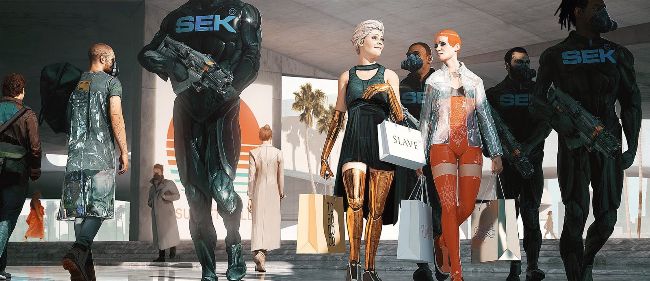
“Ultra-capitalism tends to impact every single aspect of our lives,” says Ronan Le Fur.
The merging of flesh with man-made hardware has long been a useful means of exploring themes based around the nature of personhood and humanity. In the context of cyberpunk, human-machine hybrids form part of a dystopian society in which humanity is both commodified and degraded.
However, within the philosophy of transhumanism the prospect of replacing frail human body parts with superior synthetic ones is viewed differently. If it prolongs life, corrects impairments, or even augments the body with extra capabilities, then it is viewed as a means of enriching humanity, even though it remains a controversial proposition.
For his personal work, concept artist Ronan Le Fur, also known as Dofresh, places his characters in a world inspired by well-known cyberpunk novels including Hardwired, Neuromancer and Snow Crash, as well as the tabletop RPG Cyberpunk.
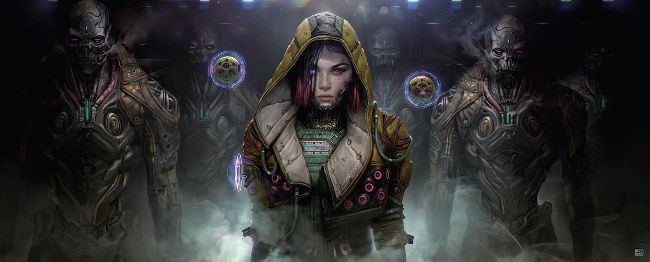
Dave Keenan’s personal project HURT: In a World Full of It stories humanity’s transition from augmented humans to full androids.
“It’s a very typical cyberpunk setting," Ronan explains. "Powerful transnational corporations, failed states, environmental collapse, narcostates using private armies, and a growing intensification of social tensions – or low-intensity civil war, as the writer Mike Davis would say.
“Cyberpunk as a genre is dying, in my opinion, as everything it predicted in the 80s has now arrived. We tend to forget that the genre was a warning, not something to strive for, and we also tend to forget the political satire that the genre involves.”